
Massive exome sequencing, as the most cost-efficient strategy in the genetic diagnosis of monogenetic Mendelian diseases, has a limitation imposed by its own design: it does not include the sequencing of intronic regions. It is already possible to carry out massive sequencing of the entire genome, but nevertheless, bioinformatics technologies and scientific accumulation…
Category archives: Clinical guide
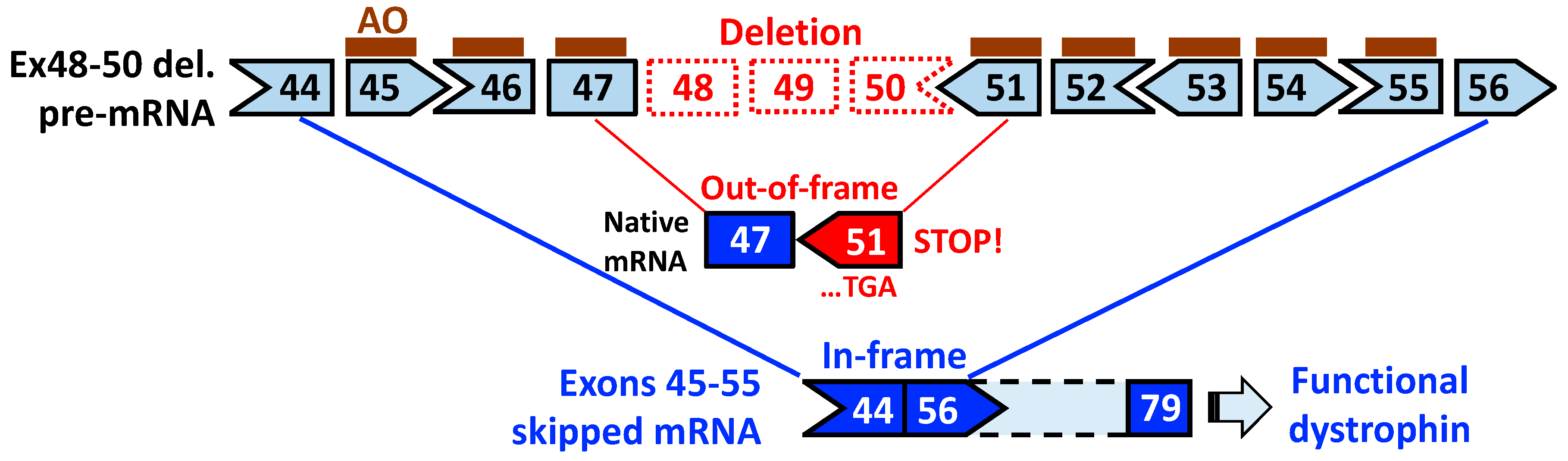
Gross deletions intragenic (exon-level deletions).
Pediatric myelin oligodendrocyte glycoprotein antibody-associated encephalomyelitis (anti-MOG).
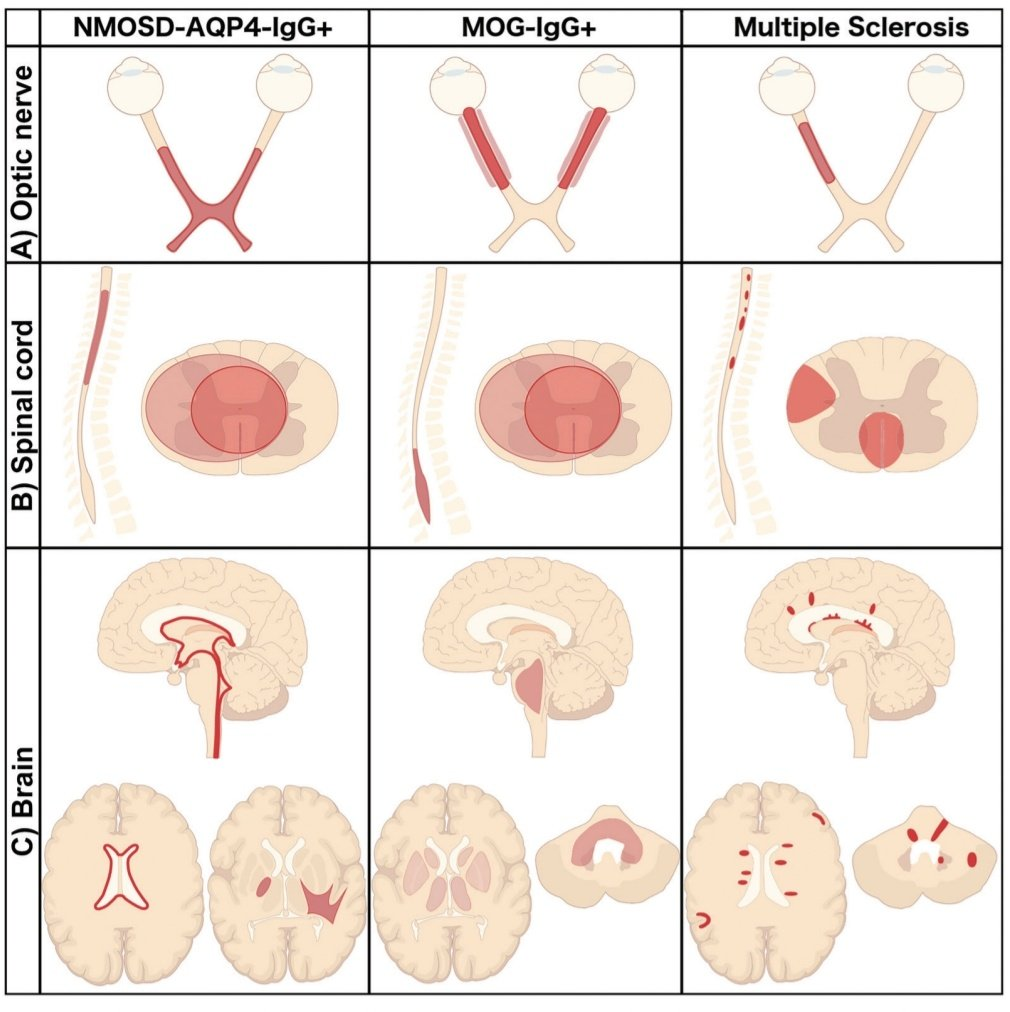
https://pubs.rsna.org/doi/full/10.1148/rg.2020200032
Pulling the rope. What to do when a diagnosis is not reached.

We are evaluating a child with a neurodevelopmental disorder in whom we suspect a genetic cause because they present suggestive findings (e.g., associated multiple congenital malformations). We performed an aCGH which was normal. We also performed a clinical exome (mendeliome) which did not provide information …
Continue reading «Estirando de la cuerda. Cuando el diagnóstico no llega a la primera.»
Mosaicism and child neurology.
PCI: Treatments with scientific evidence.

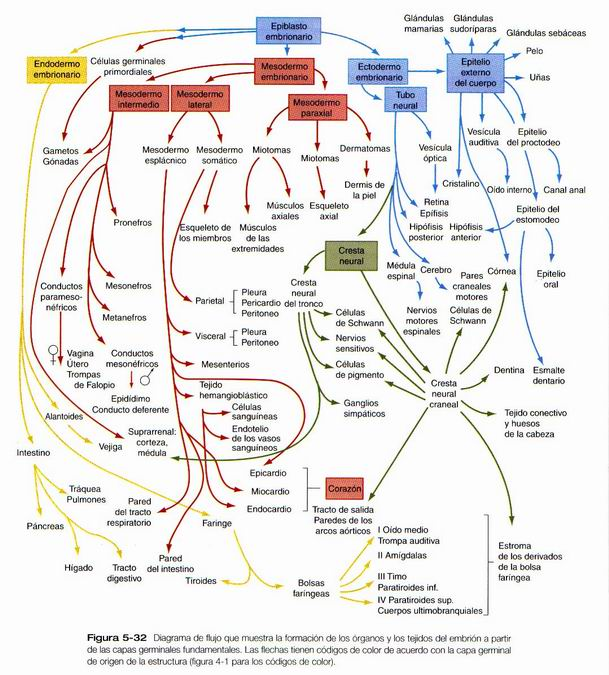
Neurocristopathies: Embryology and neurodevelopment.
Neuroichthyosis.

CDG roadmap.

https://pubmed.ncbi.nlm.nih.gov/32512173/
Risk factors for ASD.

The main identifiable risk factor in the clinical history is the presence of an older sibling with ASD, such that 1 in 5 children with older siblings with ASD will have an ASD diagnosis by age 3, being more frequent among males. Parental age is also a risk factor …