
Category archives: Clinical guide
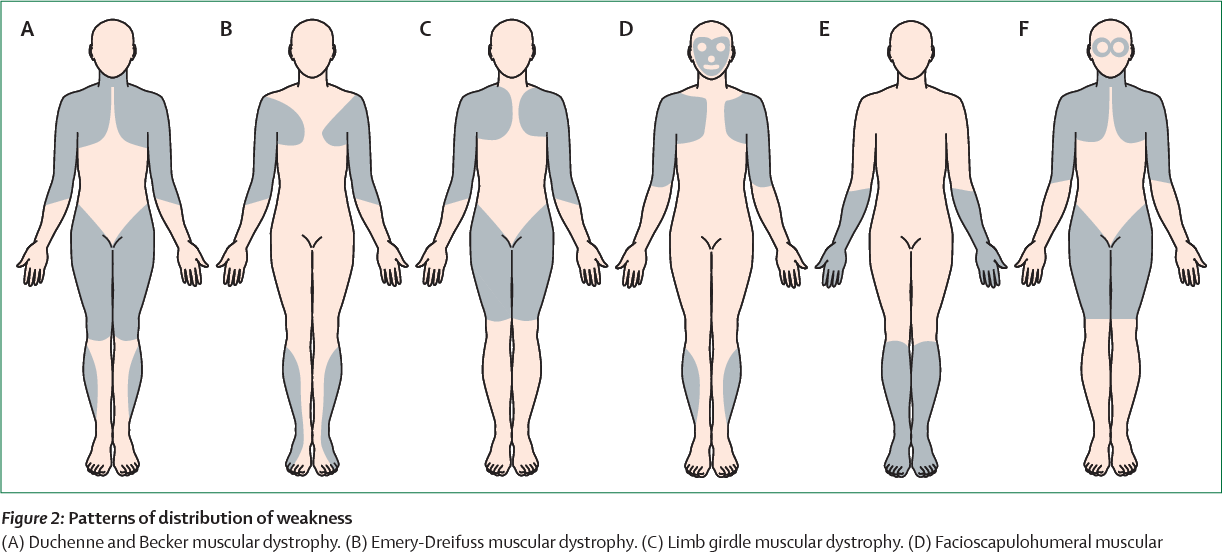
PIND (progressive intellectual and neurological deterioration).
Childhood dementia is a classic term in pediatric neurology, which has tried to become more operative through the concept of PIND (progressive intellectual and neurological deterioration), which seeks to encompass all neurodegenerative syndromes of childhood. This concept includes: There are targeted screening tests...
Continue reading «PIND (progressive intellectual and neurological deterioration).»
Dyke-Davidoff-Masson syndrome.

Dyke-Davidoff-Masson syndrome is a specifically pediatric syndrome characterized by hemicerebral atrophy or hypoplasia secondary to a brain insult usually in the fetal period or early childhood, which is why it is accompanied by an associated cranial growth disorder, characterized by compensatory ipsilateral bone hypertrophy and hyperpneumatization of the paranasal sinuses …
Dyke-Davidoff-Masson syndrome.
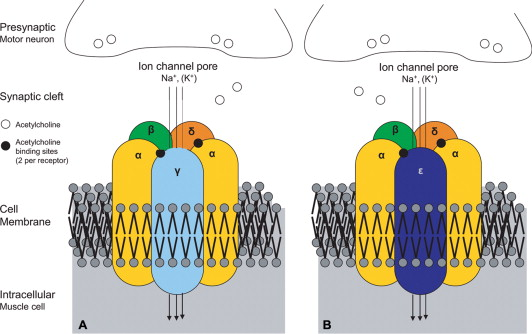
Transient neonatal myasthenia is a rare complication of maternal myasthenia gravis. Around 10-15% of children born to mothers with anti-acetylcholine receptor (AChR) antibodies, and less frequently anti-muscle-specific kinase (MuSK). Symptoms are usually apparent from the 3rd day of life, and in almost all cases …
Continue reading «Miastenia congénita y trastorno por inactivación de AChR fetal.»
Congenital Zika infection.
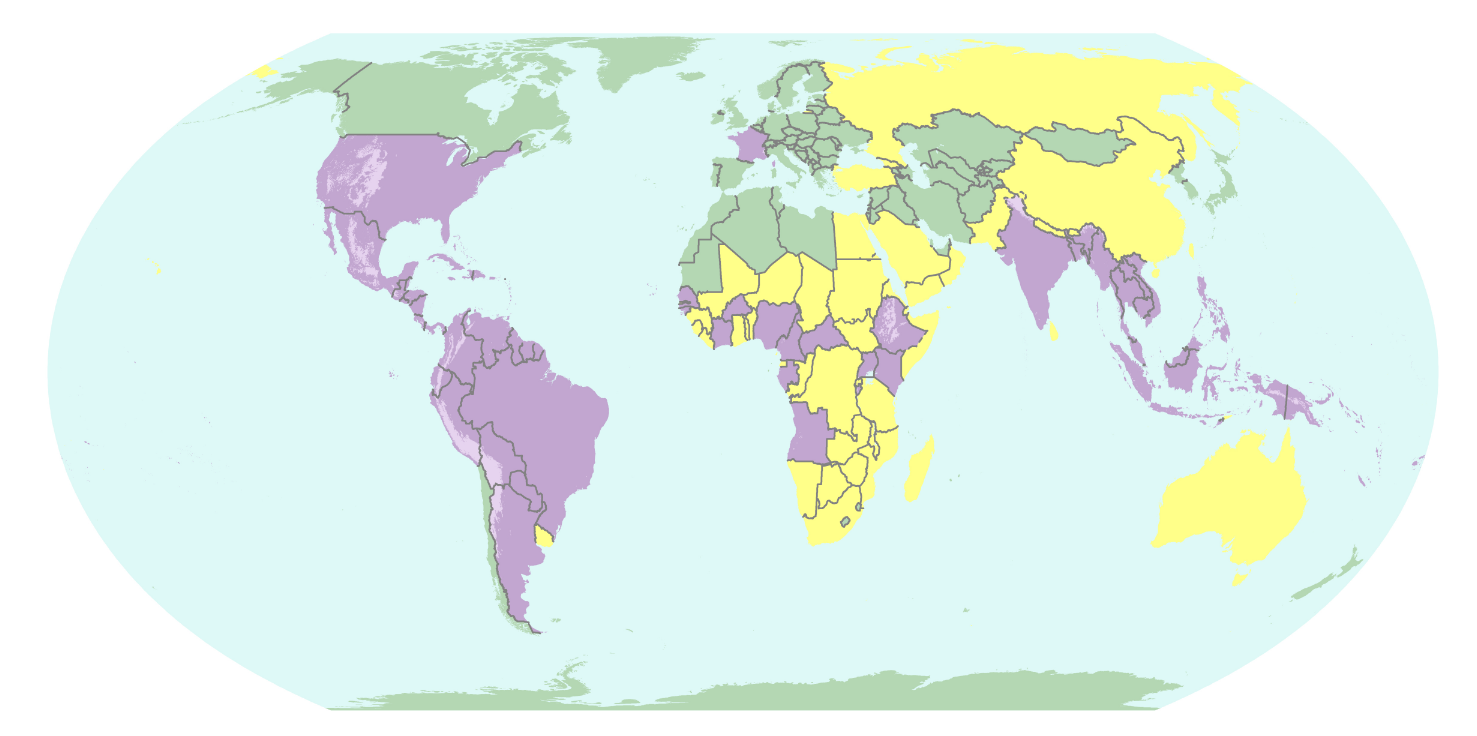
CDC diagnostic algorithm and geographic areas affected by Zika virus outbreaks.
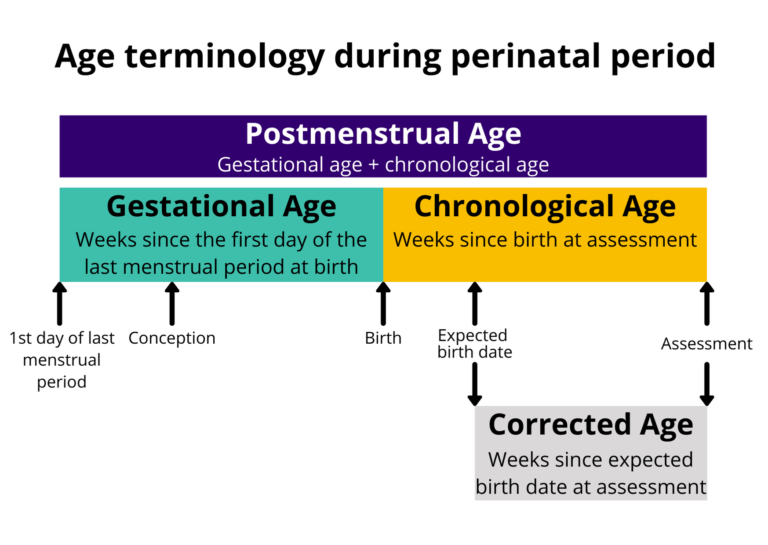
Corrected age and prematurity.
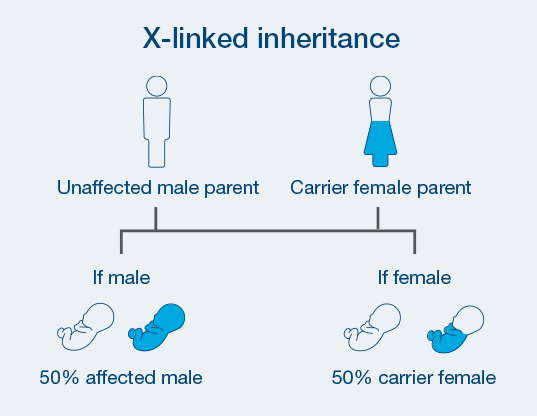
Metabolic diseases are linked to X.
Most inborn errors of metabolism are autosomal recessive diseases. However, there are some exceptions. For a complete list of all X-linked diseases, you can consult OMIM.
Pigmentary disorders and neuropediatrics.

Rare neurological diseases diagnosable by simple means.

Cholesterol, HDL, LDL, triglycerides: Tangier disease. Abetalipoproteinemia. Smith-Lemli-Opitz, Cerebrotendinous Xanthomatosis and other disorders of cholesterol synthesis. Alpha-fetoprotein: Ataxia-telangiectasia, Ataxia with oculomotor apraxia type 1 and type 2. Uric acid: Lesch-Nyhan. MCV: X-linked alpha-thalassemia mental retardation syndrome. Ferritin. Neuroferritinopathies. TSH, FT4, FT3. Allan-Herndon-Dudley. Benign hereditary chorea. Peripheral blood smear: Acanthocytes: Neuroacanthocytosis. …
Continue reading «Enfermedades raras neurológicas diagnosticables por medios sencillos.»
Exon deletion tool.
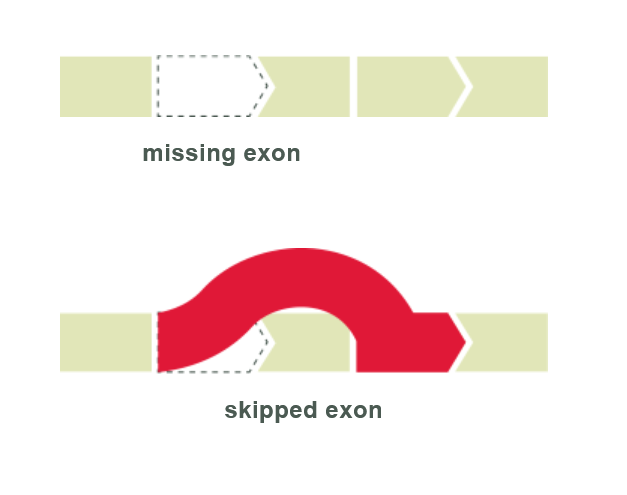
This is an online calculator to determine whether a specific intragenic deletion is a candidate for exon-skipping therapy.