
Category archives: Neurogenetics
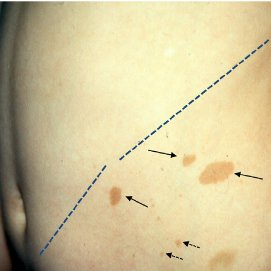
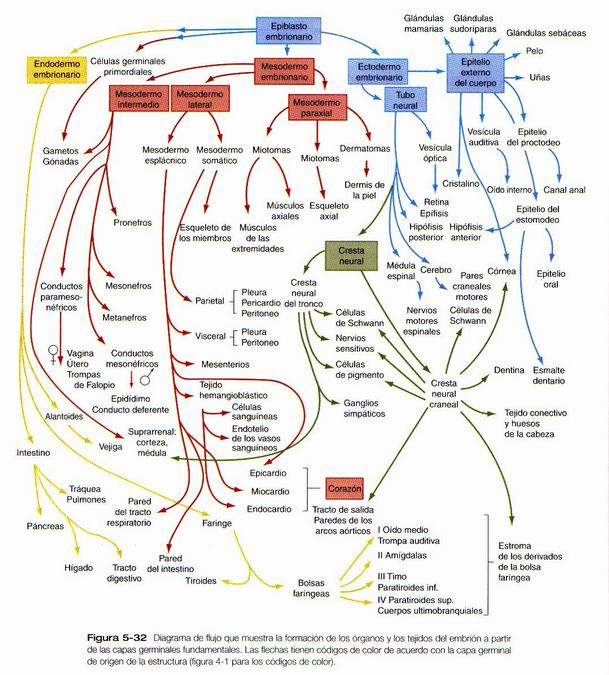
Neurocristopathies: Embryology and neurodevelopment.
Criteria of realization of aCGH.
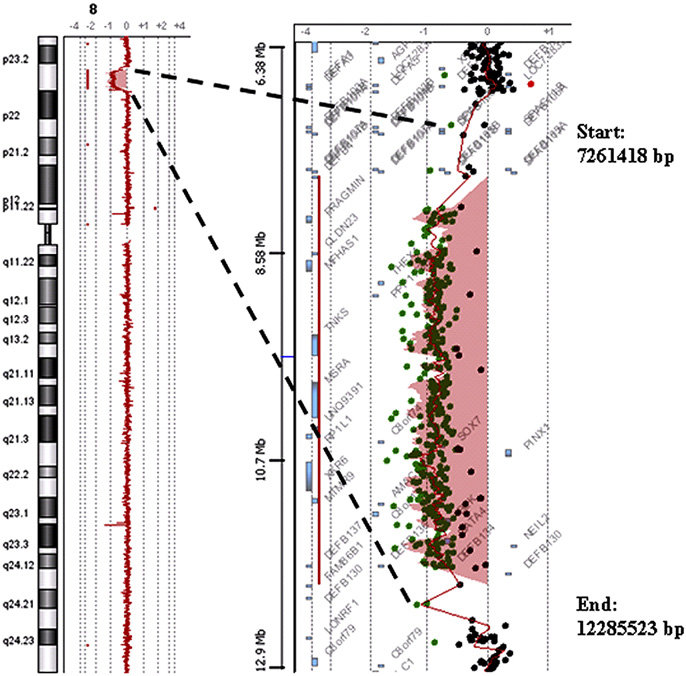
Comparative genomic hybridization array (aCGH) is the first-choice complementary genetic exploration in children with global developmental delay/intellectual disability and/or multiple congenital malformations, according to AAP, AAN, ISCA, and ACMG clinical guidelines. 1. Moeschler JB, Shevell M; Committee on Genetics Comprehensive evaluation of the child with intellectual disability …
Genetic technologies:
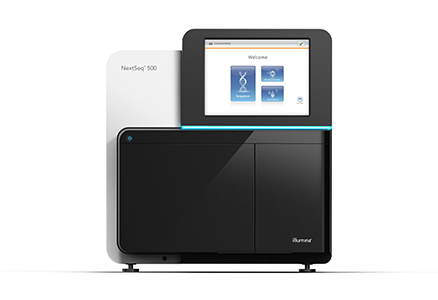
What are the different genetic technologies used for? What type of mutations is each technique capable of detecting?
TR (tandem repeat) disorders.

1. Classification by unit size 2. Why they are unstable (common mechanism) Clinical consequence: genetic anticipation = phenotypic manifestation of this increasing meiotic instability (paternal or maternal bias depending on the disease). 3. Three mechanisms depending on the location of the repeat (STR block) A) Coding exon, triplets (CAG=polyQ) B) Non-coding region (UTR, intron), large expansion…
Karyotype in the era of the aCGH:
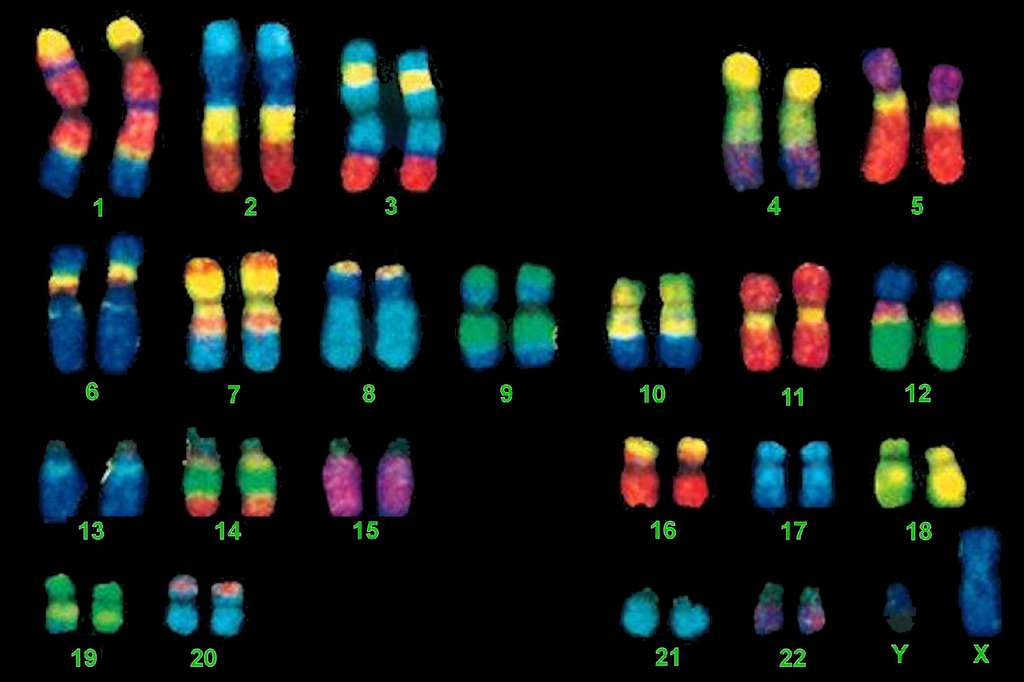
Indications in which the karyotype remains superior to molecular diagnostic techniques:
Notable mutations!
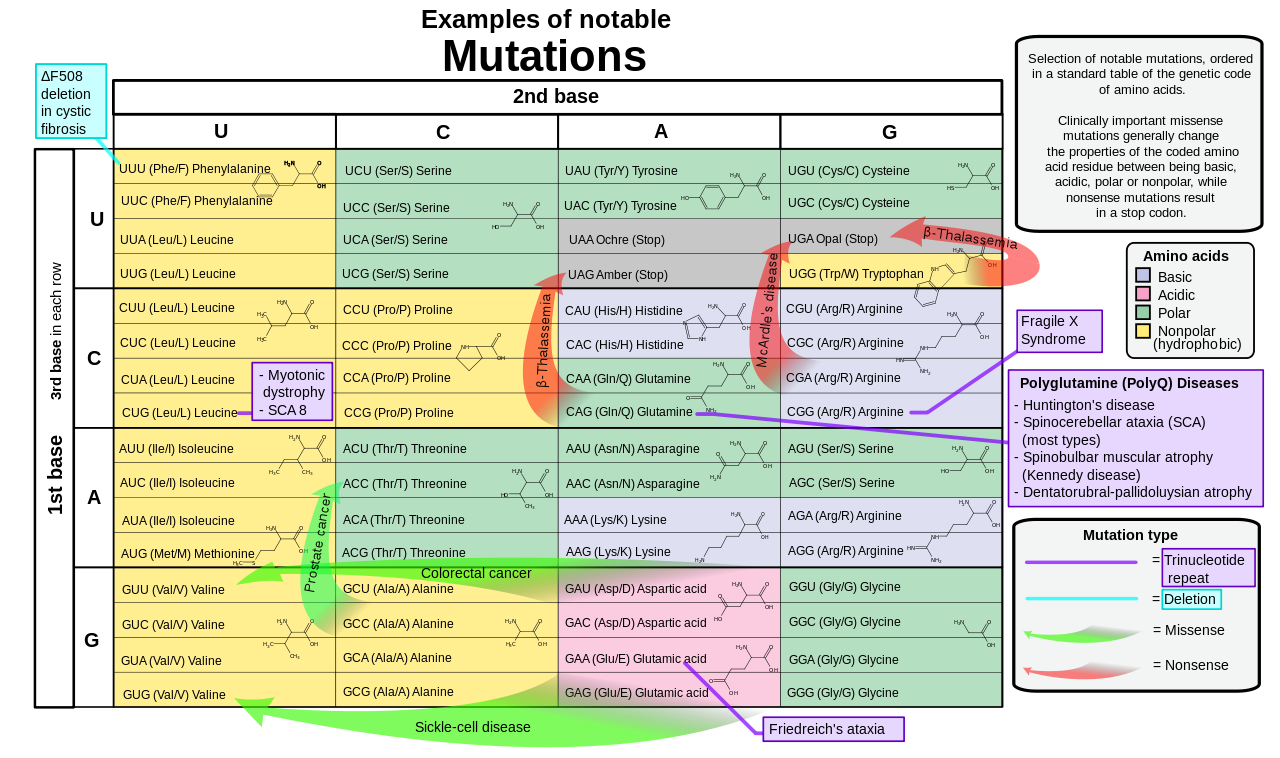
Notable Mutations Database This resource provides an up-to-date registry of pathogenic variants and genetic mutations that have relevant clinical impact or notable scientific interest in neuropediatrics and neurodevelopmental genetics. Includes detailed annotations on variants in ion channels (SCN1A, KCNQ2) and neuronal transporters with direct phenotypic correlation.
Genetics of movement disorders.
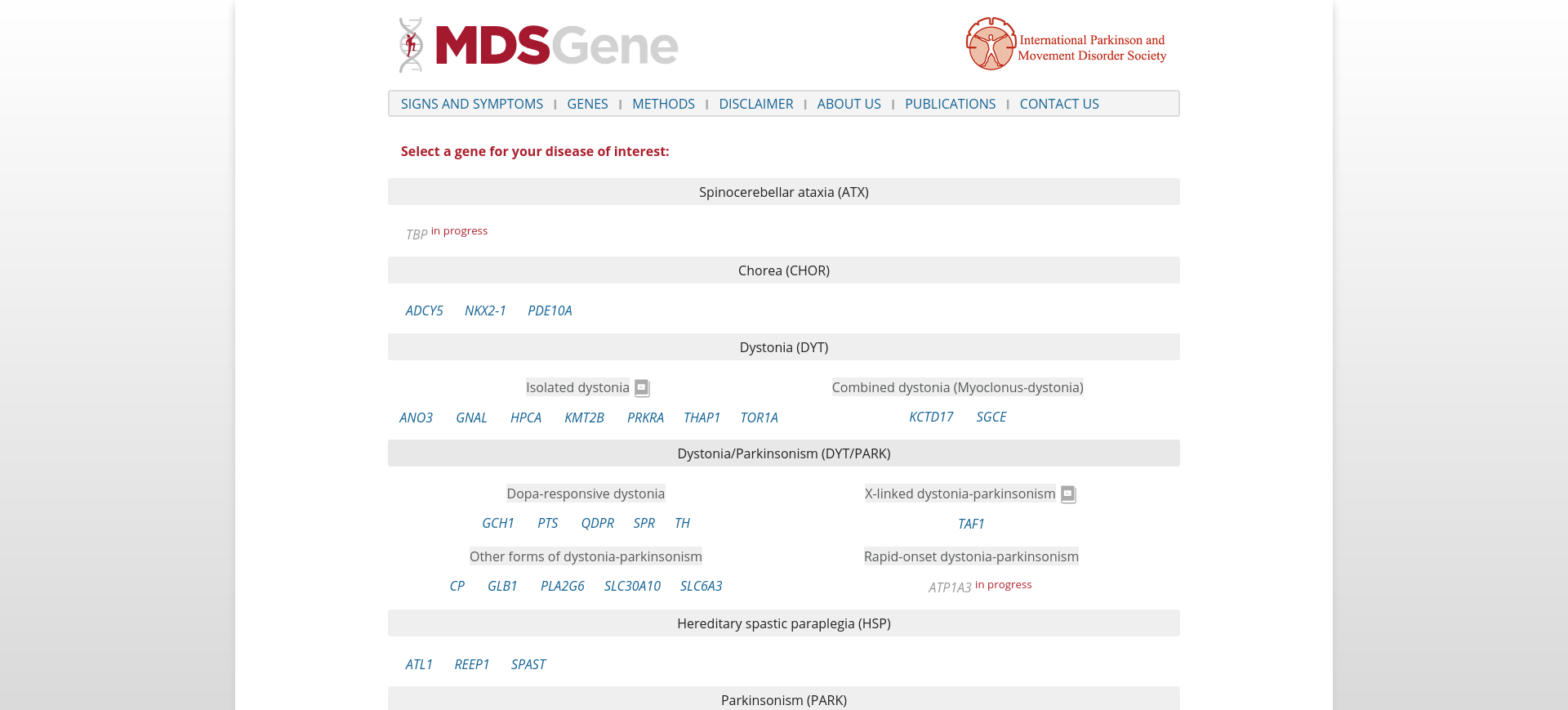
The MDSGene website contains a directory of currently well-established movement disorders of genetic origin.
Massive sequencing techniques.
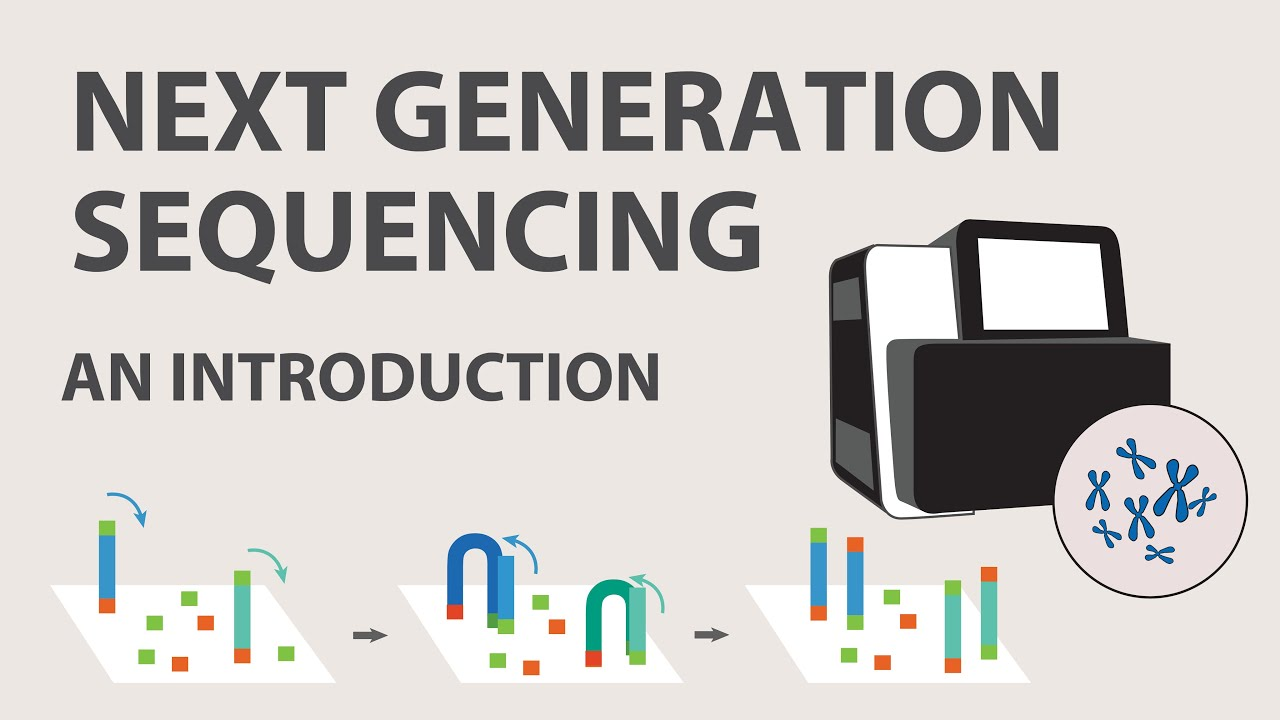
Under the concept of massive sequencing or NGS (next generation sequencing) there are multiple highly complex diagnostic techniques that have significantly increased the diagnostic possibilities in pediatric neurology. We can classify them based on several criteria. https://link.springer.com/chapter/10.1007/978-981-13-8844-6_15
Double trouble. Several genetic diseases in the same individual.

In the era of massive sequencing, access to the intensive study of the genome has provided a much deeper understanding of genetic variability, and how this can give rise to complex phenotypes from the combination of several monogenetic diseases in the same individual. It is estimated that in approximately 5% of …
Continue reading «Double trouble. Varias enfermedades genéticas en un mismo indivíduo.»