
How to understand a report of sequencing.

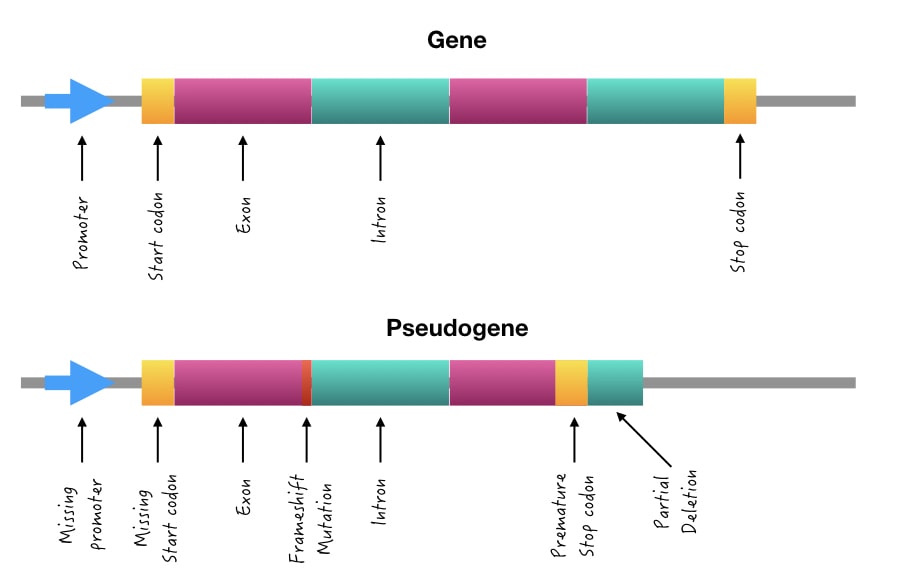
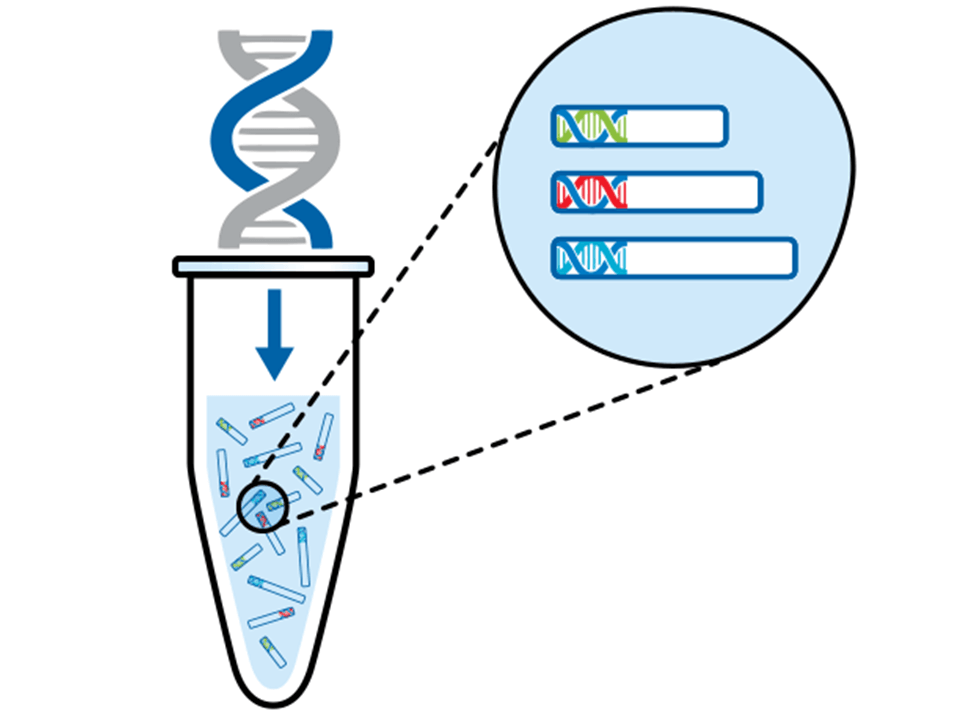
Sequencing results reports are complex documents full of alphanumeric data that are difficult to understand without general bases to help us interpret them. We usually focus on the final conclusion, that is, the finding of a specific genetic variant and its interpretation of pathogenicity, is the most clinically relevant piece of information, but...

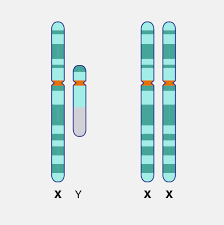
Disease linked to the X of special relevance neurogenetics.

Patrón de Herencia Ligada al X Recesiva La frecuencia de indivíduos enfermos es mucho mayor entre hombres que entre mujeres. Los hombres transmiten el alelo enfermo a todas sus hijas, pero todas las hijas serán sanas. Una portadora heterocigota transmitirá el alelo al 50% de sus hijos (que serán enfermos) así como al 50% de …

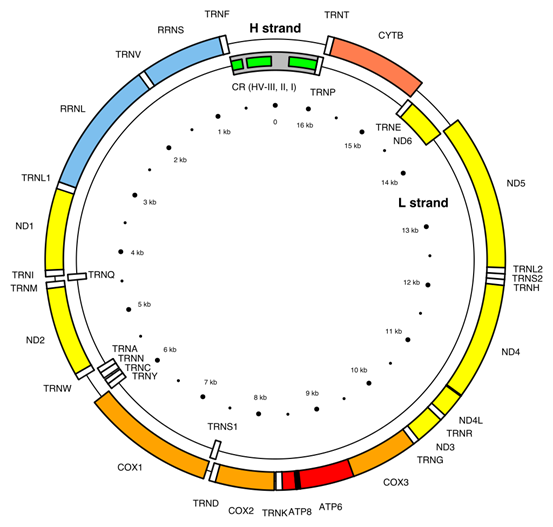
Mitochondrial diseases.

Mitochondrial diseases are a group of genetic disorders that affect the mitochondria, the cellular structures responsible for producing energy in the form of ATP (adenosine triphosphate). These diseases are caused by mutations in mitochondrial DNA or in nuclear genes that encode proteins related to mitochondrial function. Because mitochondria are…

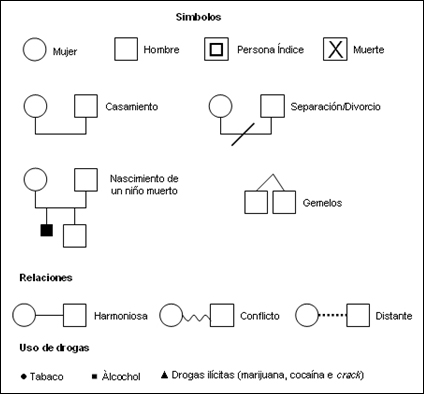
Family history.

The collection of family history is a part of the anamnesis in which the individual is questioned about the presence of certain diseases in their ascendants or descendants. It is advisable to create a complete family tree, and it should include the kinship relationships of the different individuals, their sex, age and those phenotypic characteristics...

Phenotype-first approach, and genotype-first approach.

Phenotype First Approach and Genotype First Approach The "phenotype first approach" and the "genotype first approach" are two different approaches used in genetics and biology to study the relationship between genes (genotype) and the observable characteristics (phenotype) of an organism. Phenotype First Approach The “phenotype first approach” focuses on the…

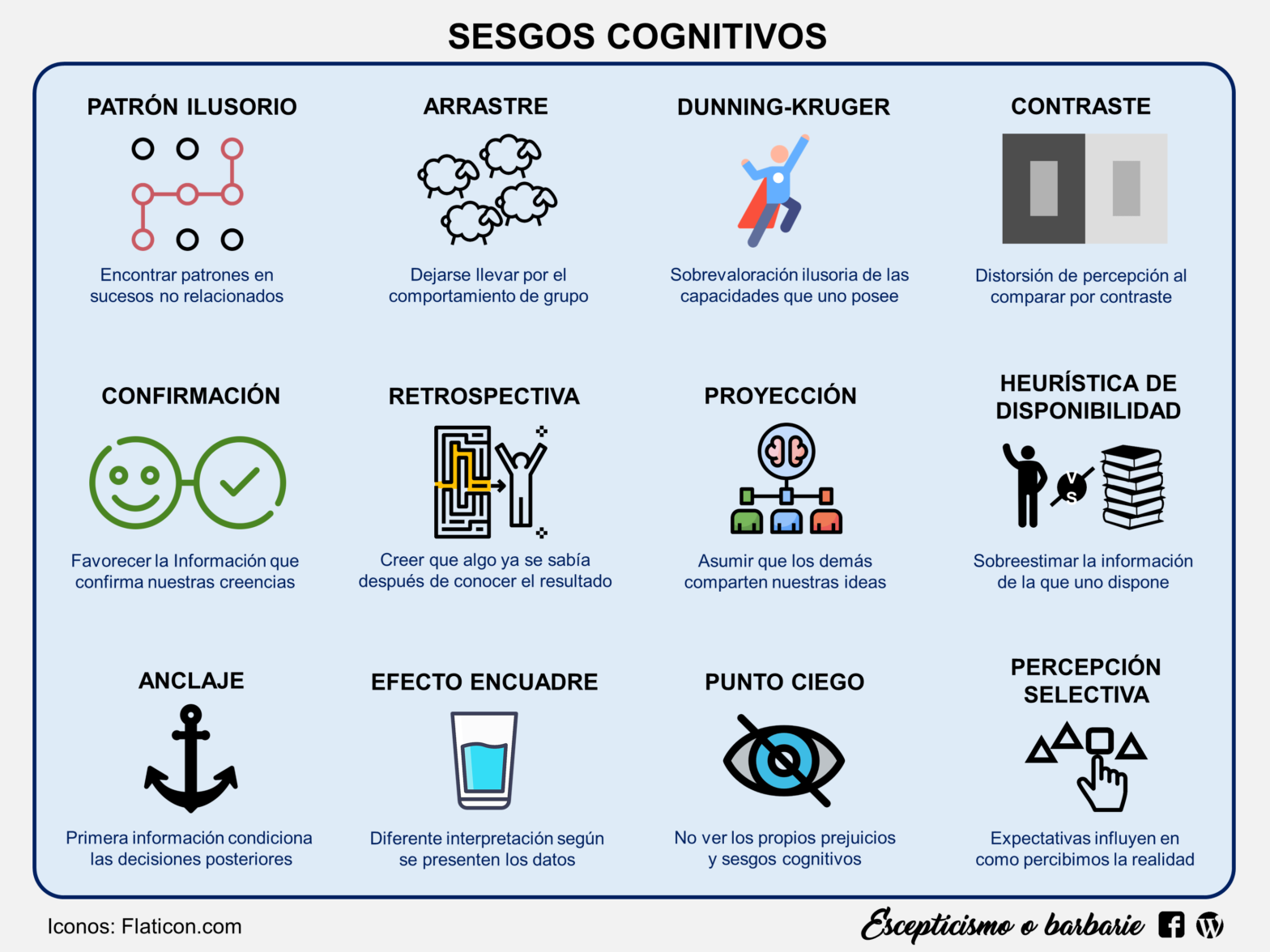
Cognitive biases, assumptions and prejudices in neurogenetics.

Since the completion of the human genome project, we have experienced a scientific revolution in the field of applied genetics, which is changing the scientific knowledge of those disciplines that are closely related at an unprecedented speed. Pediatric neurology is one of the most affected by this genomic revolution, due to the overrepresentation...