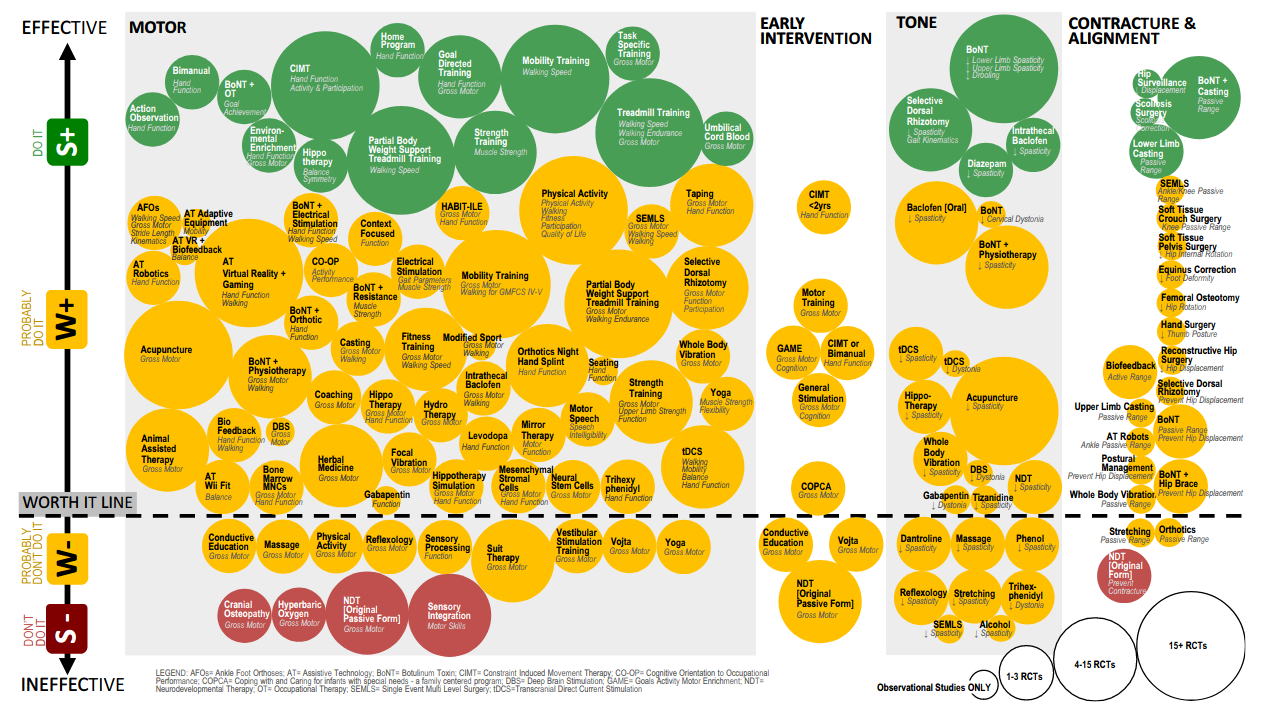
Neurorehabilitation in PCI. Scientific evidence.

Discussion Core: Neurorehabilitation in Cerebral Palsy Neurorehabilitation in children with Cerebral Palsy (CP) is essential to improve quality of life and functional abilities. Recent scientific evidence suggests that advances in neurological interventions may reduce the severity of the condition and enhance functional outcomes. In this article, we review the …

Skeletal deformities in cerebral palsy.

Introduction to Skeletal Deformities in Cerebral Palsy Skeletal deformities represent a crucial component of the pathophysiology in patients with cerebral palsy (CP), as they can limit functionality and quality of life. These skeletal alterations, often associated with muscle paralysis and stiffness, may present at different stages of development and …

Early onset cerebellar ataxias.

Early-onset Cerebellar Ataxia (EOAc) EOAc affects children and young people up to the age of 25. It is heterogeneous: it can be hereditary, metabolic, autoimmune or of unknown origin. Classification by Age of Onset (Diagnostic Key) According to the approach based on onset, three categories are identified: Congenital: before the age of 2 years (e.g. malformations, disorders of the...

Non-progressive congenital ataxia.

Congenital Non-progressive Ataxias Congenital non-progressive ataxias are a rare and complex condition characterized by lack of order and coordination in voluntary movements and loss of balance. These conditions are distinguished by the absence of progressive signs and by presenting a form of ataxia that does not worsen over time …

Pharmacological treatment protocol for GLS.

Pharmacological Treatment Protocol for Lennox-Gastaut Syndrome: Comprehensive and Evidence-Based Approach Lennox-Gastaut Syndrome (LGS) is a severe form of epilepsy in childhood that affects a relatively small but critical population. This syndrome, classified as a developmental epileptic encephalopathy (DEE), presents unique diagnostic and therapeutic challenges. It is defined by…

Angelman-like syndrome.

Angelman-like syndrome Neurogenetic disorder with a phenotype similar to Angelman Syndrome, but with key clinical and molecular differences. It affects cognitive, motor and behavioral development. Differential Clinical Characteristics It presents hypotonia, global developmental delay, absence of speech and hyperactive movements, similar to Angelman. However, it lacks maternal expression of the UBE3A gene in the brain. Diagnosis…

Hemicerebellitis.

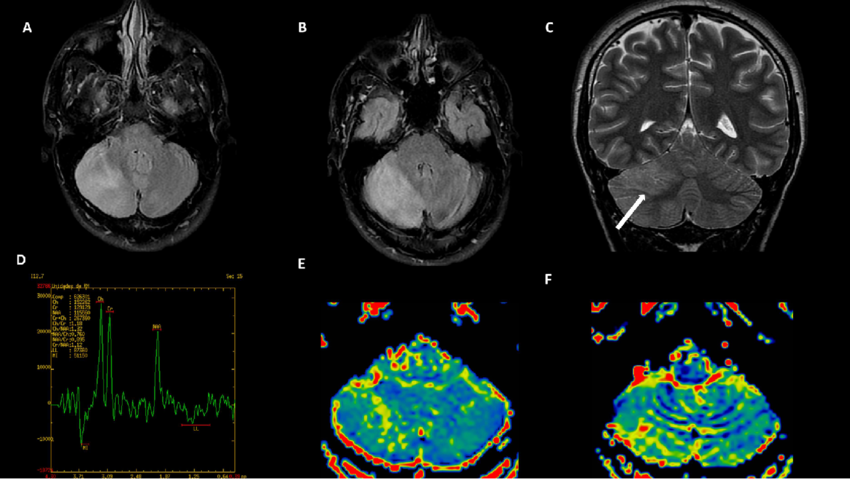
Hemicerebellitis: Clinical Summary Focal inflammatory disease of the cerebellum that affects one hemisphere, with risk of neurological disability if not diagnosed and treated in time. Main Signs and Symptoms Neurology: Progressive ataxia, dizziness, nausea, vomiting, difficulty walking. Ocular signs: Nystagmus, abnormal eye movements, anisochromia or unilateral pupillary dilation (specific finding). Other signs: Intentional tremor,…

Precision medicine in genetic epilepsy.

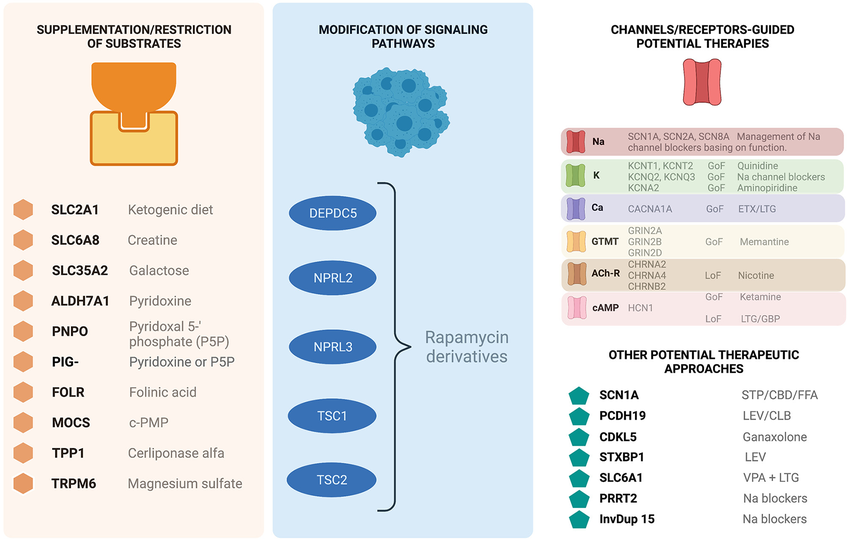
Precision Medicine in Genetic Epilepsy Precision medicine in genetic epilepsy identifies the underlying molecular cause to guide specific treatments, avoiding ineffective or harmful therapies. Therapeutic Approaches by Genetic Group Channelopathies (SCN1A, KCNQ2, etc.) Avoid carbamazepine and phenytoin in SCN1A loss of function (risk of worsening seizures). Treatments of choice: fenfluramine, cannabidiol, stiripentol,…

SCNx database.

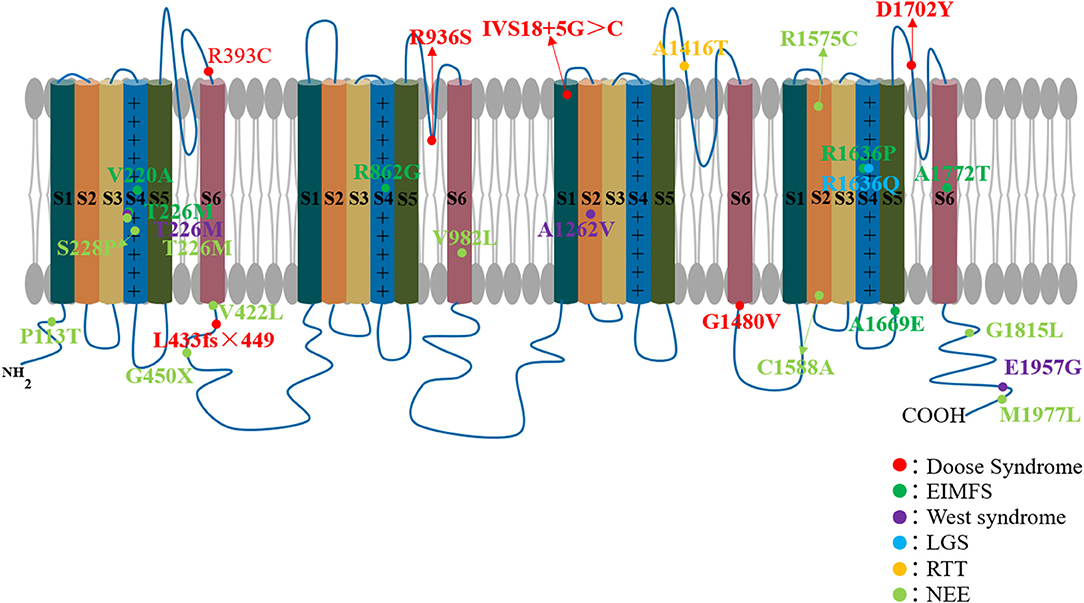
SCNx Database: Clinical Guide for SCN-Related Disorders The SCNx Database is an interactive resource from the Broad Institute for clinicians, families, and researchers of sodium channel (SCN) gene-associated disorders. Provides up-to-date data on genetics, phenotypes and clinical evidence. Key Genes and Phenotypic Associations SCN1A: De novo Mutations Cause…

BIS.

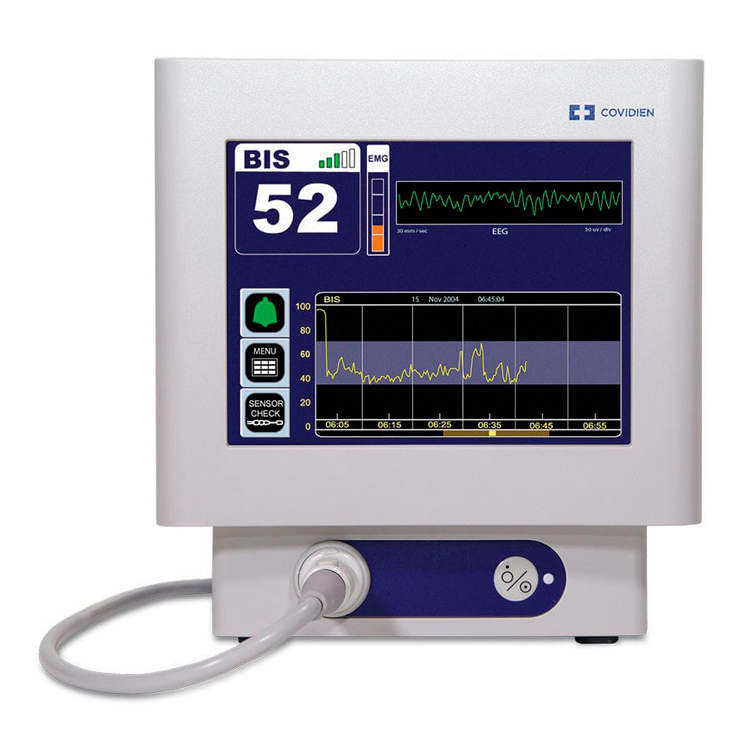
BIS Monitor: Brief Clinical Guide The BIS Monitor (Bispectral Index) is a neurological monitoring tool that estimates the state of consciousness through analysis of brain activity from electroencephalographic (EEG) signals. It does not directly measure consciousness, but rather the depth of anesthetic hypnosis. BIS Classification and Clinical Significance BIS 0–25: Deep coma; …