
Author archives: Alberto Alcantud
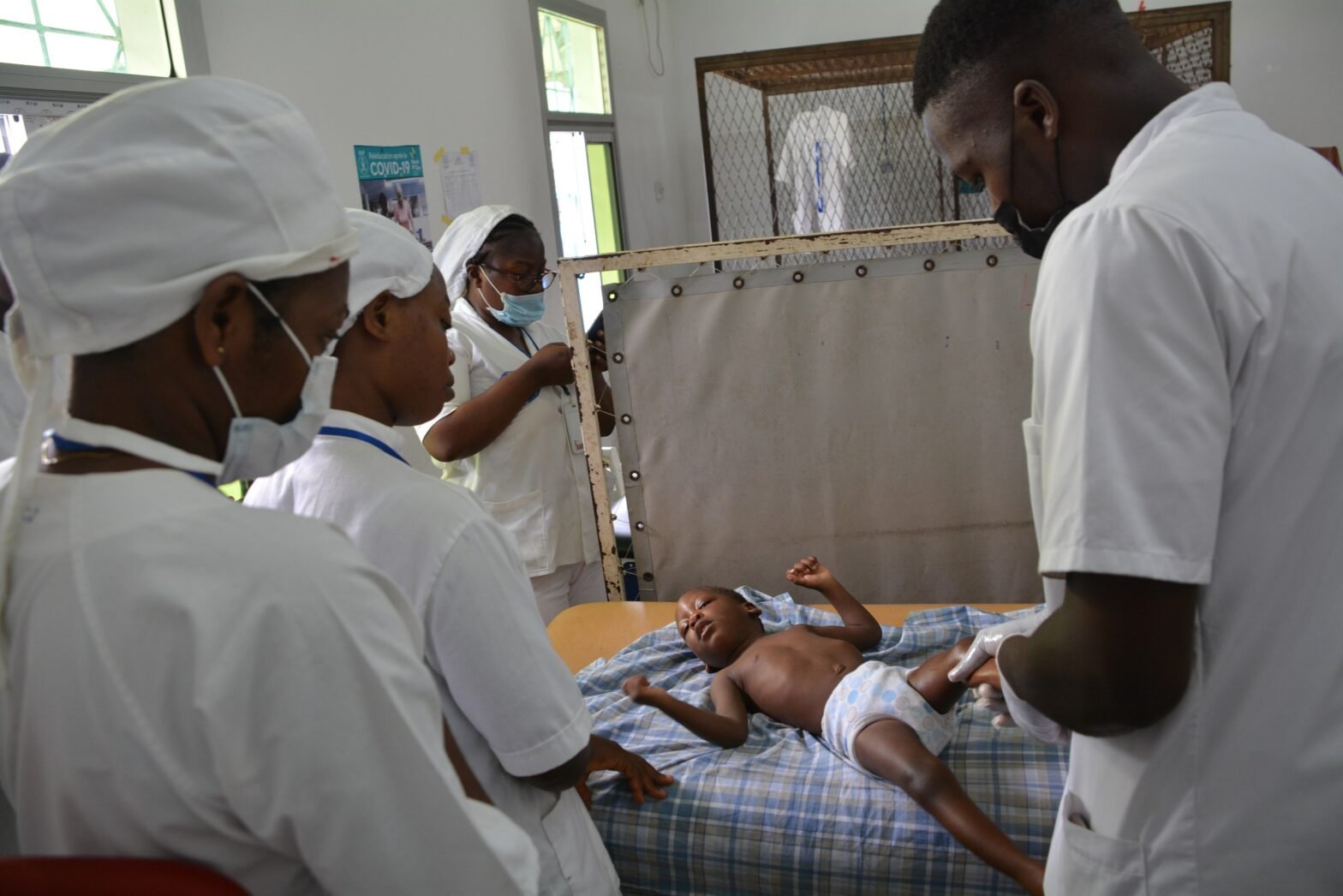
HNNE (Hammersmith).
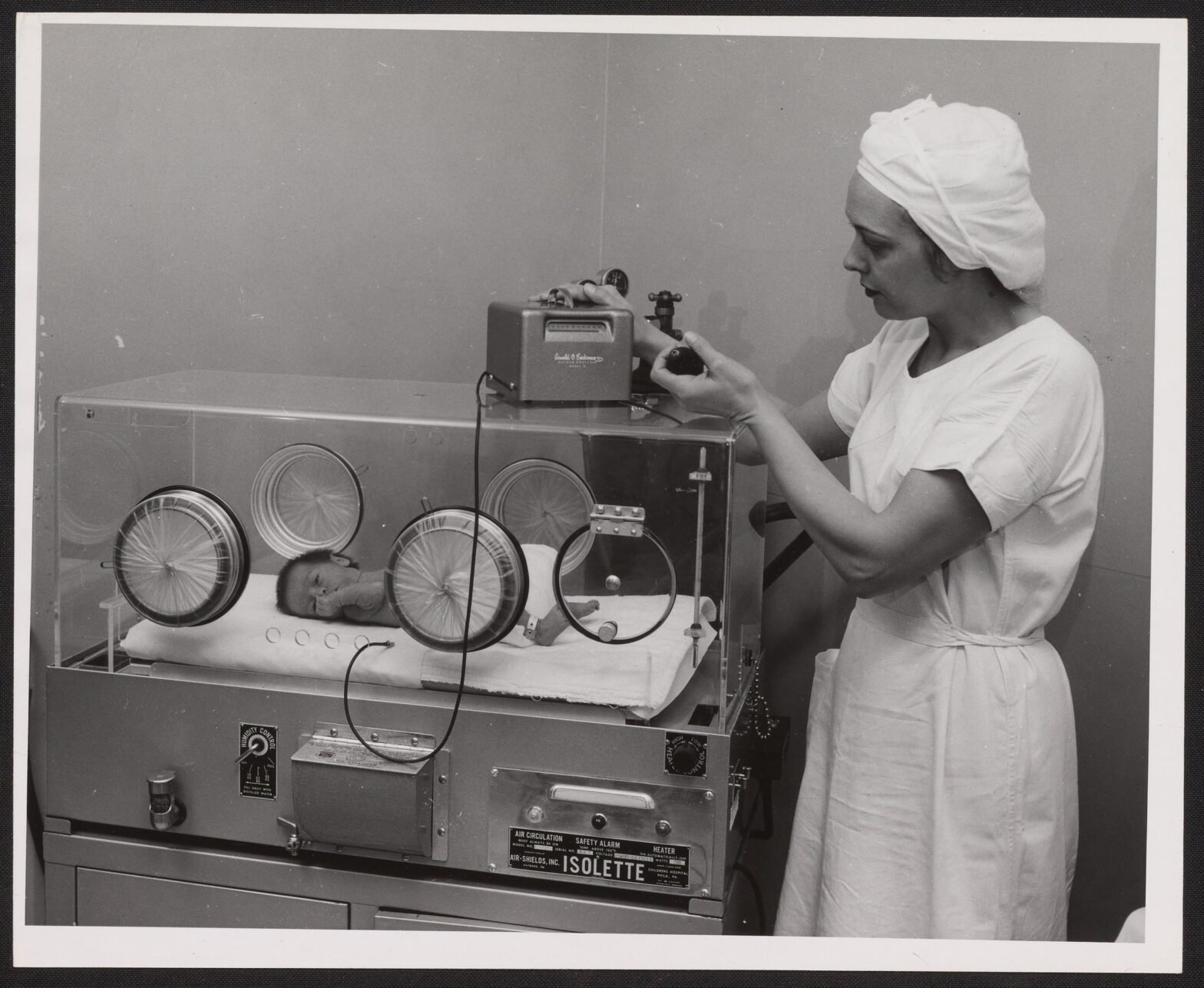
https://www.mackeith.co.uk/es/hammersmith-neurological-examinations/hammersmith-neurological-examinations-subscriber-content/additional-languages/
Yale scale.
Yale Scale The Yale Scale is a tool used to evaluate the level of anxiety and stress in children and adolescents. This scale consists of questions that address different aspects of the patient's emotional state, such as fear of separation, fear of the dark, generalized anxiety, social anxiety, specific anxiety (such as phobia of heights or...
PedNIHSS

Neuroscience of neurodevelopment.

https://www.medrxiv.org/content/10.1101/2021.04.08.21255068v1.full https://cp.neurology.org/content/12/1/6 https://www.frontiersin.org/articles/10.3389/fncel.2019.00576/full https://www.science.org/doi/10.1126/science.abb2153 https://onlinelibrary.wiley.com/doi/full/10.1111/joa.13055 https://en.wikipedia.org/wiki/Radial_unit_hypothesis https://en.wikipedia.org/wiki/Protomap_(neuroscience)#cite_note-12
How to understand a report of sequencing.

HGVS Nomenclature: Keys to Interpreting Genetic Sequencing Reports Interpreting genetic sequencing reports may initially seem challenging, but a clear understanding of HGVS (Human Genome Variation Society) nomenclature can greatly facilitate the task. This standardized system enables precise description of genetic mutations, providing a common foundation …
Continue reading «Cómo entender un informe de secuenciación.»
Disease linked to the X of special relevance neurogenetics.
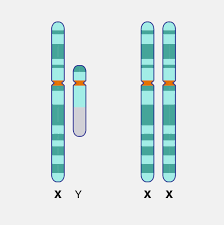
Recessive X-Linked Inheritance Pattern The frequency of sick individuals is much higher among men than among women. Men pass the diseased allele to all their daughters, but all daughters will be healthy. A heterozygous carrier will transmit the allele to 50% of her children (who will be sick) as well as 50% of...
Continue reading «Enfermedades ligadas al X de especial relevancia neurogenética.»
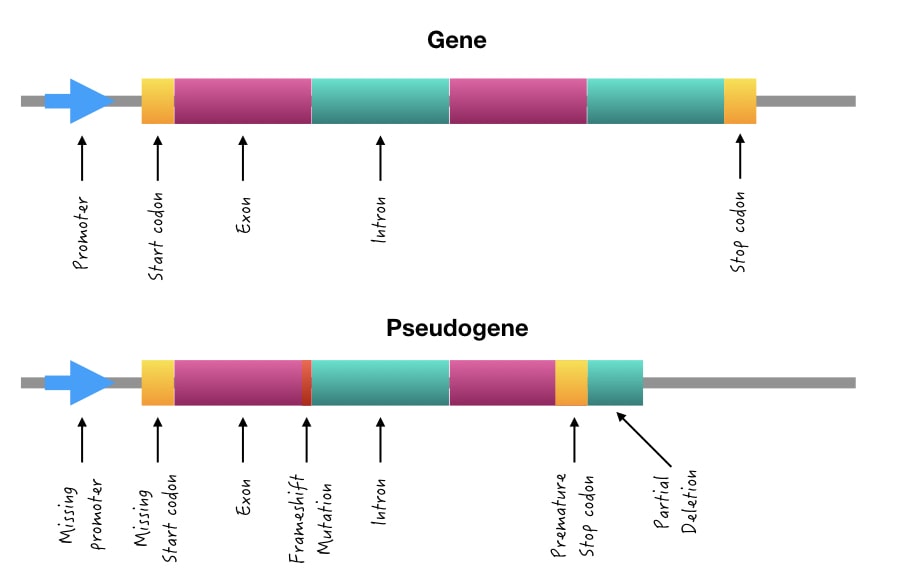
Pseudogenes.
Mitochondrial diseases.
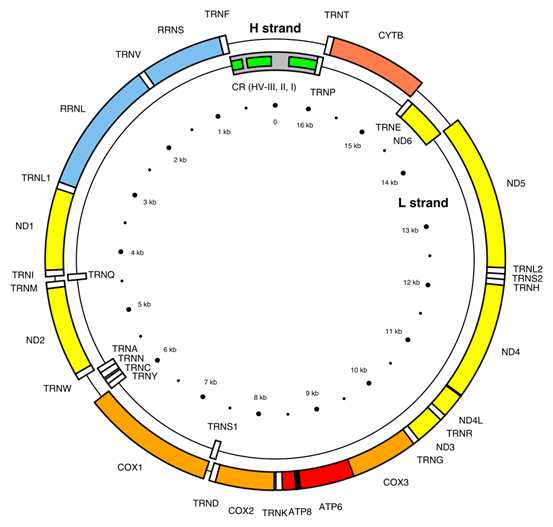
Mitochondrial diseases are a group of genetic disorders that affect the mitochondria, the cellular structures responsible for producing energy in the form of ATP (adenosine triphosphate). These diseases are caused by mutations in mitochondrial DNA or in nuclear genes that encode proteins related to mitochondrial function. Because mitochondria are…
Family history.
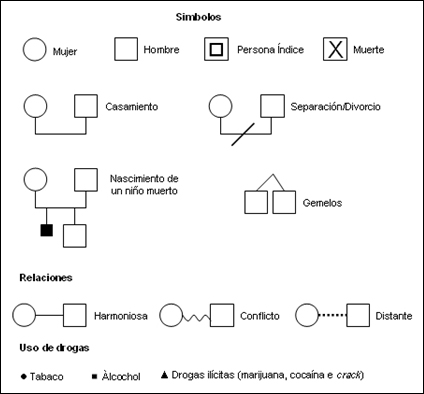
The collection of family history is a part of the anamnesis in which the individual is questioned about the presence of certain diseases in their ascendants or descendants. It is advisable to create a complete family tree, and it should include the kinship relationships of the different individuals, their sex, age and those phenotypic characteristics...