

BFMF PCI Fine Motor Scale The BFMF (Bimanual Fine Motor Function) is an instrument used to evaluate fine motor function in children with neurological disabilities. This scale allows a detailed evaluation of bimanual motor skills, which is crucial for the diagnosis and treatment of disorders such as Down syndrome,…
Author archives: Alberto Alcantud
SARA scale ataxias
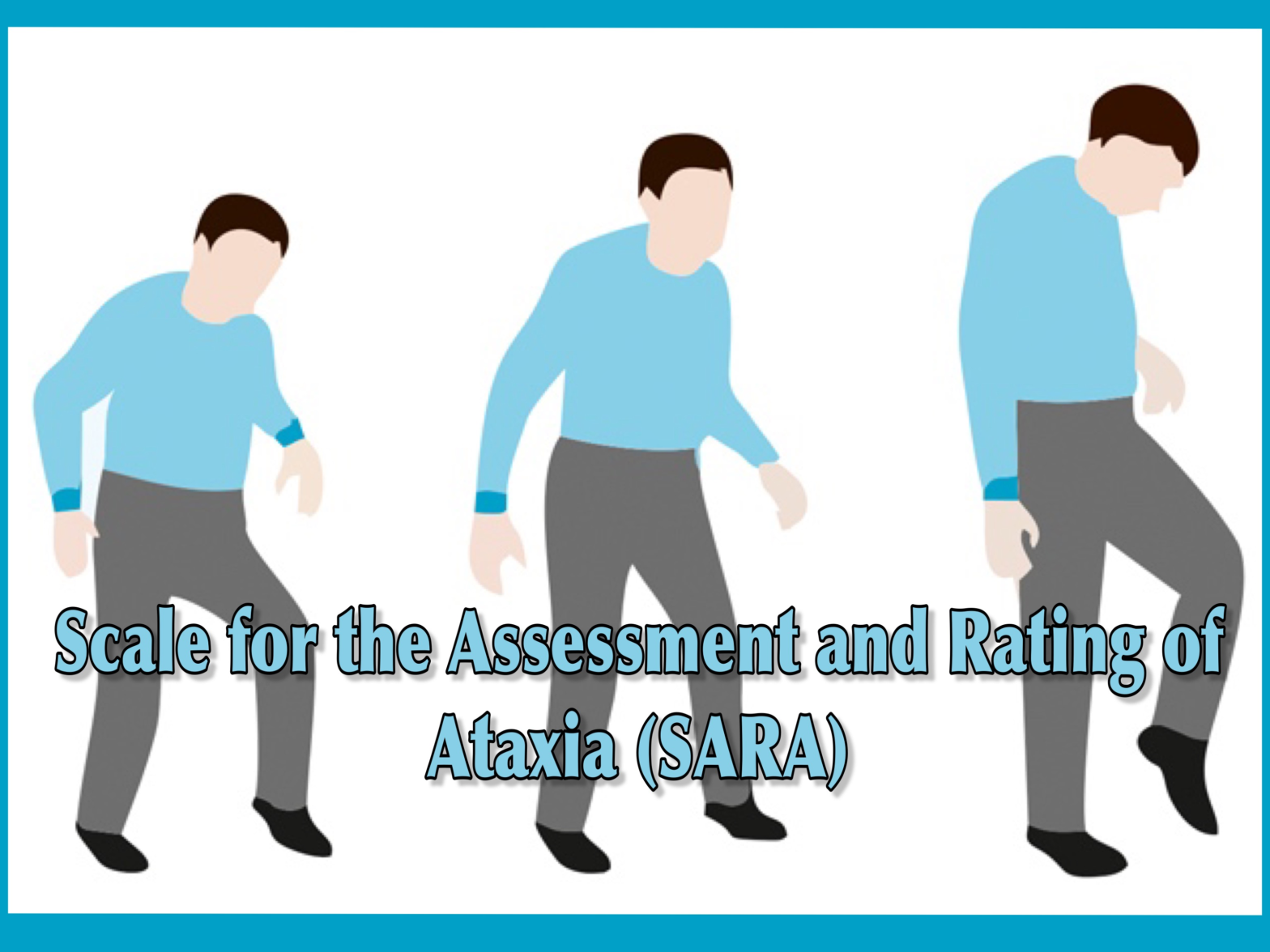
Introduction to the SARA Ataxia Scale The SARA Ataxia Scale (Simplified Assessment of Ataxia using Rating and Rating Scale, SARA) is a valuable tool for the evaluation of patients with ataxias. Designed by , , , and , it was published in 2009 in the Journal of Neurology. Its main objective is to provide a…
Clinical exome, first tier?
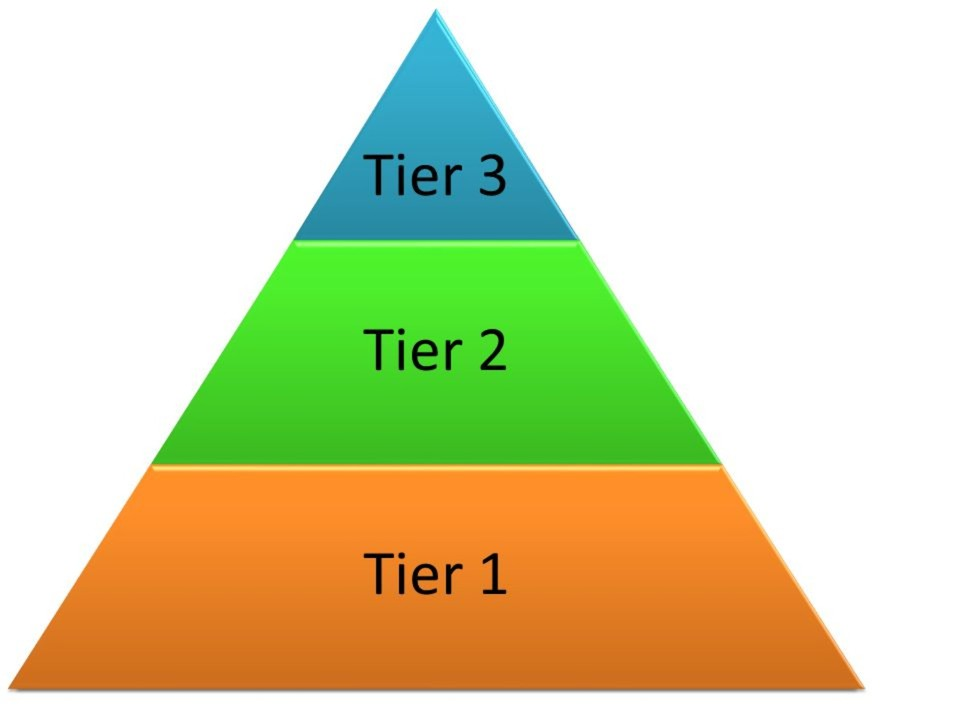
Technological Evolution in Genomics and Clinical Guidelines The technological evolution in genomics has progressed at a remarkably rapid pace, with clinical guidelines becoming outdated in the face of routine clinical practice. This advancement has generated numerous questions that are difficult to answer accurately, leading to the adoption of new technologies and …
Do animals have autism?

Introduction to Autism Spectrum Disorder (ASD) The diagnosis of autism spectrum disorder (ASD) is based on the presence of two symptom dimensions: stereotyped and repetitive behaviors, inflexibility, restricted interests, and difficulties in social interaction, nonverbal communication, and socioemotional reciprocity. Stereotyped and Repetitive Behaviors …
ACMG pathogenicity criteria.
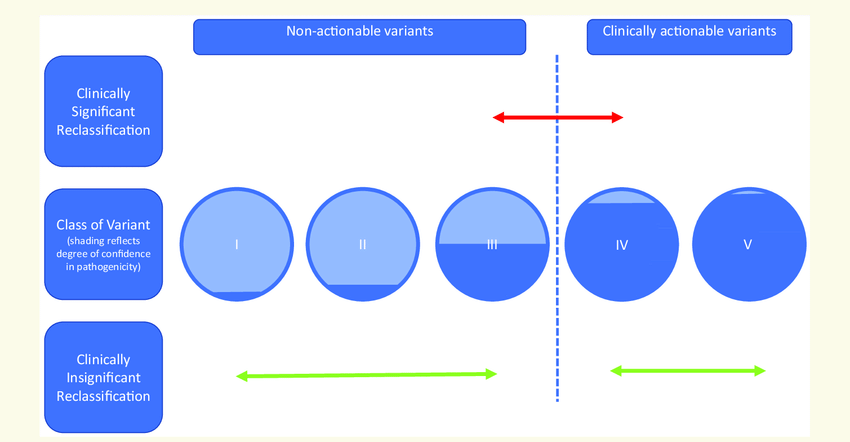
ACMG (American College of Medical Genetics and Genomics) Pathogenicity Criteria The criteria established by the ACMG and AMP (Association for Molecular Pathology) are fundamental for the classification and clinical interpretation of genetic variants. These criteria guide decision-making in treatment and follow-up, ensuring that evidence-based decisions …
Indication of cosegregation.

Carrying out cosegregation studies has 2 main uses: Example: Variant classified as probably pathogenic, which after applying the PS2 criterion is reclassified as pathogenic. Example 2: Probably pathogenic variant that is reclassified as pathogenic.
Situation analysis of referrals to SIFCO in the CV.
Project Objectives for Centers, Services, and Reference Units (CSUR) The CSUR designation project aims primarily to improve equity in access to high-specialization services, concentrate high-level expertise in a single location to ensure high-quality healthcare delivery, and enhance the care of specific pathologies...
Continue reading «Análisis de situación de las remisiones a SIFCO en la CV.»
Supranuclear facial palsy.
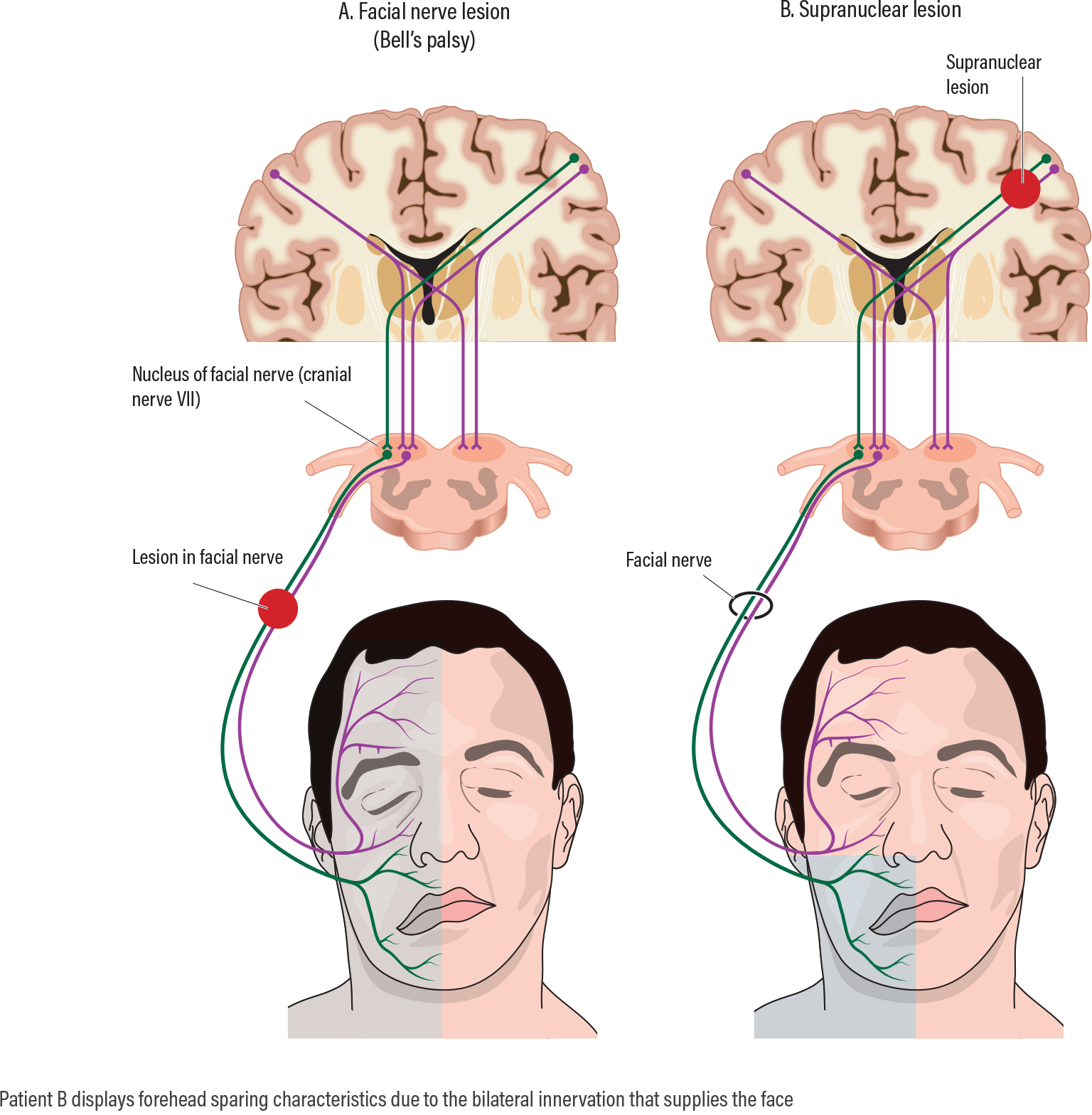
Clinical Foundations of Supranuclear Facial Paralysis Supranuclear facial paralysis is a condition that affects an individual's ability to control voluntary facial movements. The lesion responsible for facial deviation and weakness in voluntary facial movements is located within the corticobulbar fibers inside the internal capsule, while …
Congenital (infantile/infant) nystagmus.
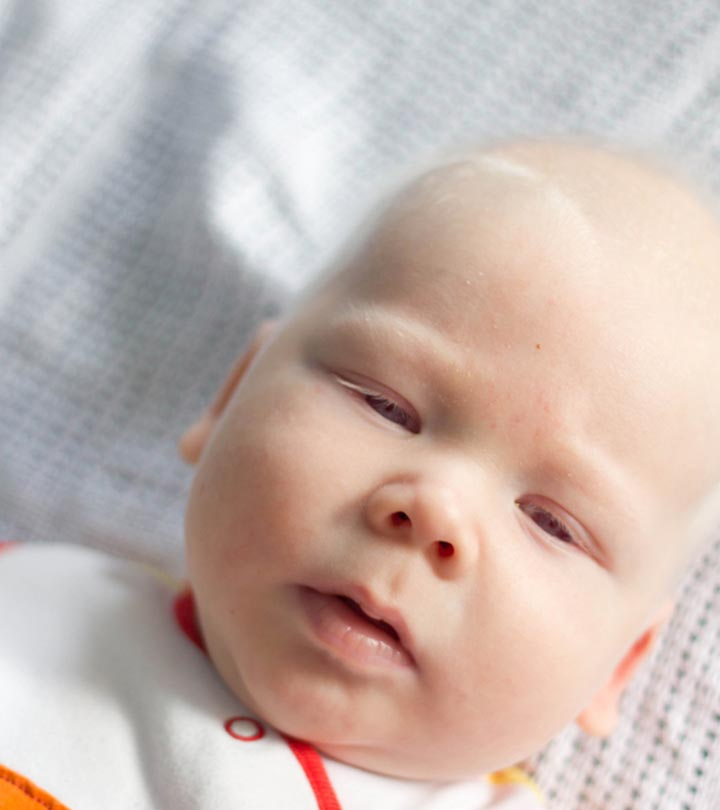
Introduction to Congenital Infantile Nystagmus Congenital nystagmus is an ocular disorder characterized by involuntary eye movements that can be diagnosed in the first months of life. These movements may indicate a variety of neurological, genetic, or ocular conditions. Proper evaluation and treatment are crucial to prevent complications and promote optimal development …
Continue reading «Nistagmo congénito (infantil/del lactante).»
Orphan Anesthesia

https://www.orphananesthesia.eu/en/rare-diseases/published-guidelines.html