
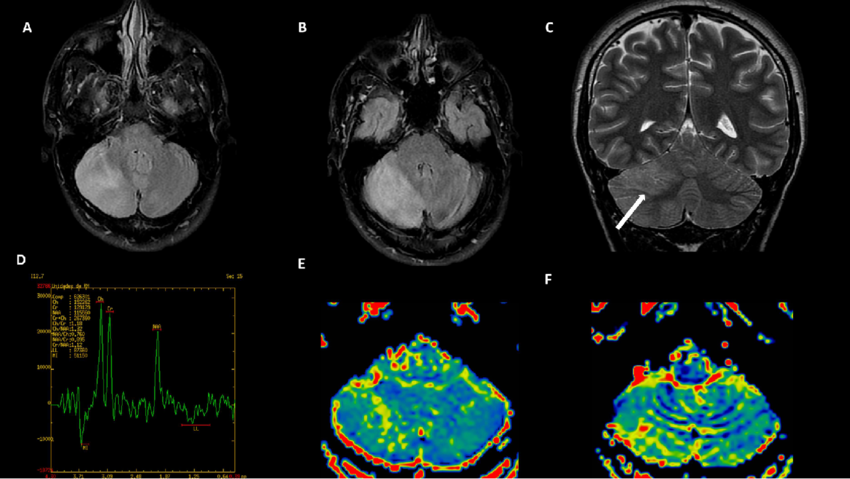
Hemicerebellitis Introduction: Hemicerebellitis is an inflammation of the cerebellum that affects one side of the brain. It is a serious neurological condition that can cause a variety of symptoms, from headaches to balance and mobility problems. Diagnostic Criteria The diagnosis of hemicerebellitis is based on a set of clinical and ophthalmological criteria: Clinical Symptoms: …
Author archives: Alberto Alcantud
Technical aids.
Precision medicine in genetic epilepsy.
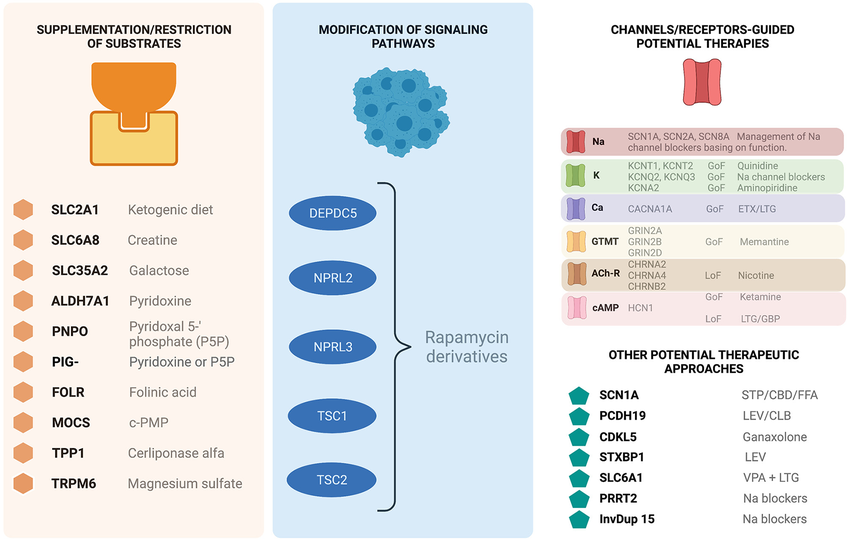
Medicina de Precisión en Epilepsia Genética y Encefalopatías del Desarrollo (DEEs) La medicina de precisión en las encefalopatías del neurodesarrollo y epilépticas (DEEs) busca dirigir el tratamiento farmacológico hacia el mecanismo fisiopatológico y molecular subyacente a la variante genética del paciente, evitando terapias ineficaces o perjudiciales. Desglose Clínico de los Abordajes Terapéuticos Representados A continuación …
Continue reading «Medicina de precisión en epilepsia genética.»
SCNx database.
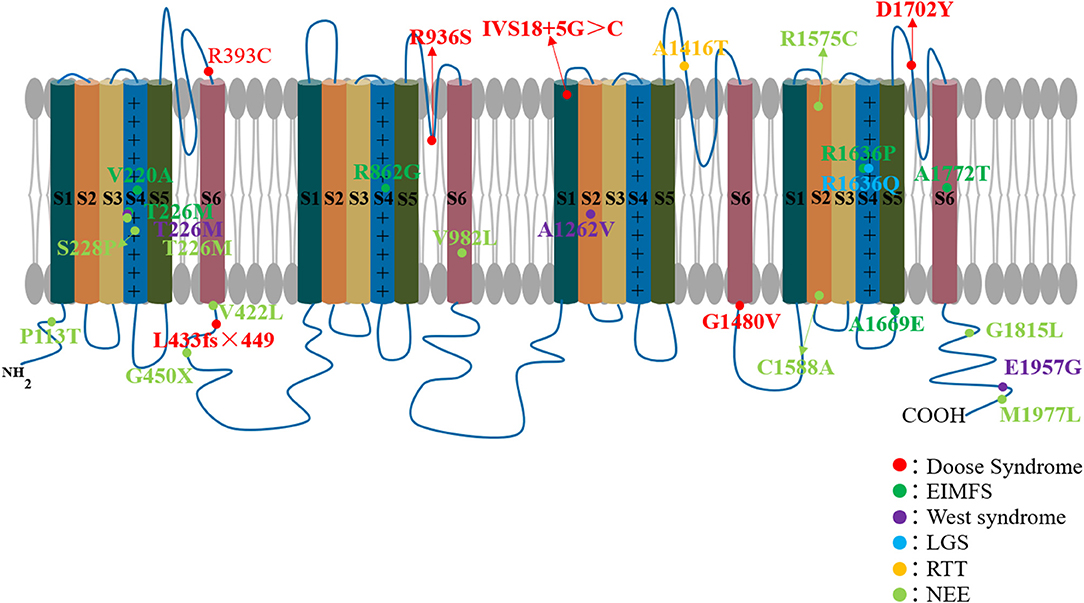
SCNx Database: A Rigorous Clinical Guide SCN Portal is an online database developed by the Broad Institute that provides information on the genetics and biology of sleep. This tool is valuable to medical professionals, especially neuropediatricians, as it offers a detailed resource on the spectrum of disorders…
BIS.
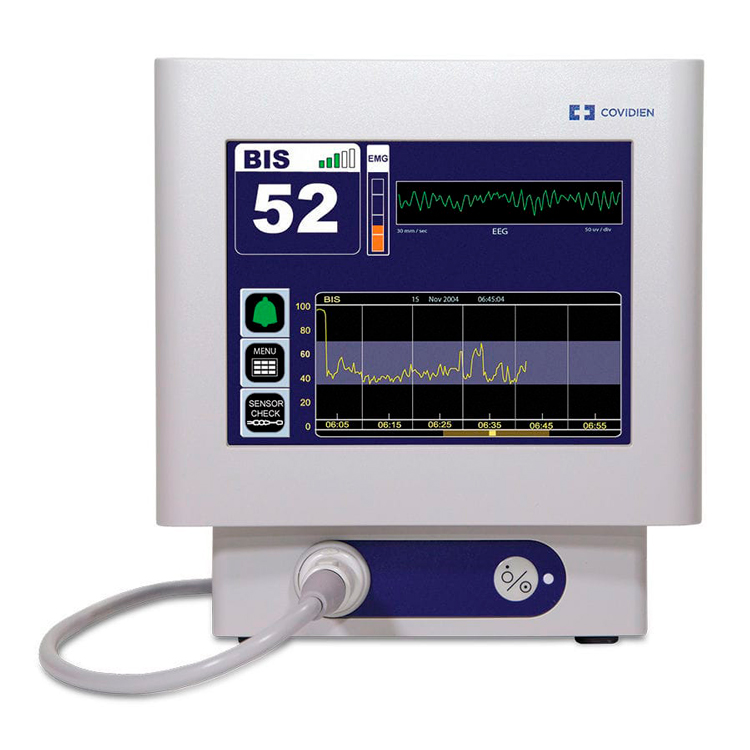
BIS Monitor (Bispectral Index) The BIS Monitor, known as Bispectral Index, is a tool used in monitoring consciousness and monitoring neurological status during surgeries and invasive procedures. This index provides information about brain activity by measuring the optical reflectance of the skin. Diagnostic Criteria The BIS is…
Optokinetic nystagmus.
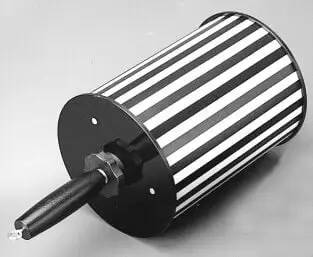
Optokinetic Nystagmus Optokinetic nystagmus (OKN) is an ocular reflex that consists of involuntary eye movements in response to the mobility of the visual environment. This phenomenon includes a slow phase of eye movement in the direction of the stimulus followed by a fast phase in the opposite direction. When performed in the office, the…
Neurological examination of the critically ill child.

The child admitted to intensive care is a difficult scenario for neurological examination, which is limited by the special circumstances imposed by this environment. We can find 3 main scenarios:
Clinical indicators of genetic PCI.

Clinical Indicators of PCI Genetics Table 2. Summary of Indicators for Cerebral Palliacy Genetics Moderate Strong Possible 1. Dyskinesia2. Absence of spasticity3. Consanguinity∗4. Positive family history∗ 1. Intellectual disability2. Absence of premature birth3. No unilateral symptoms 1. Absence of perinatal risk factors2. Altered vision3. Microcephalus ∗ Known genetic indicator; comparison with the reference population…
Nirsevimab in pediatric neurology.
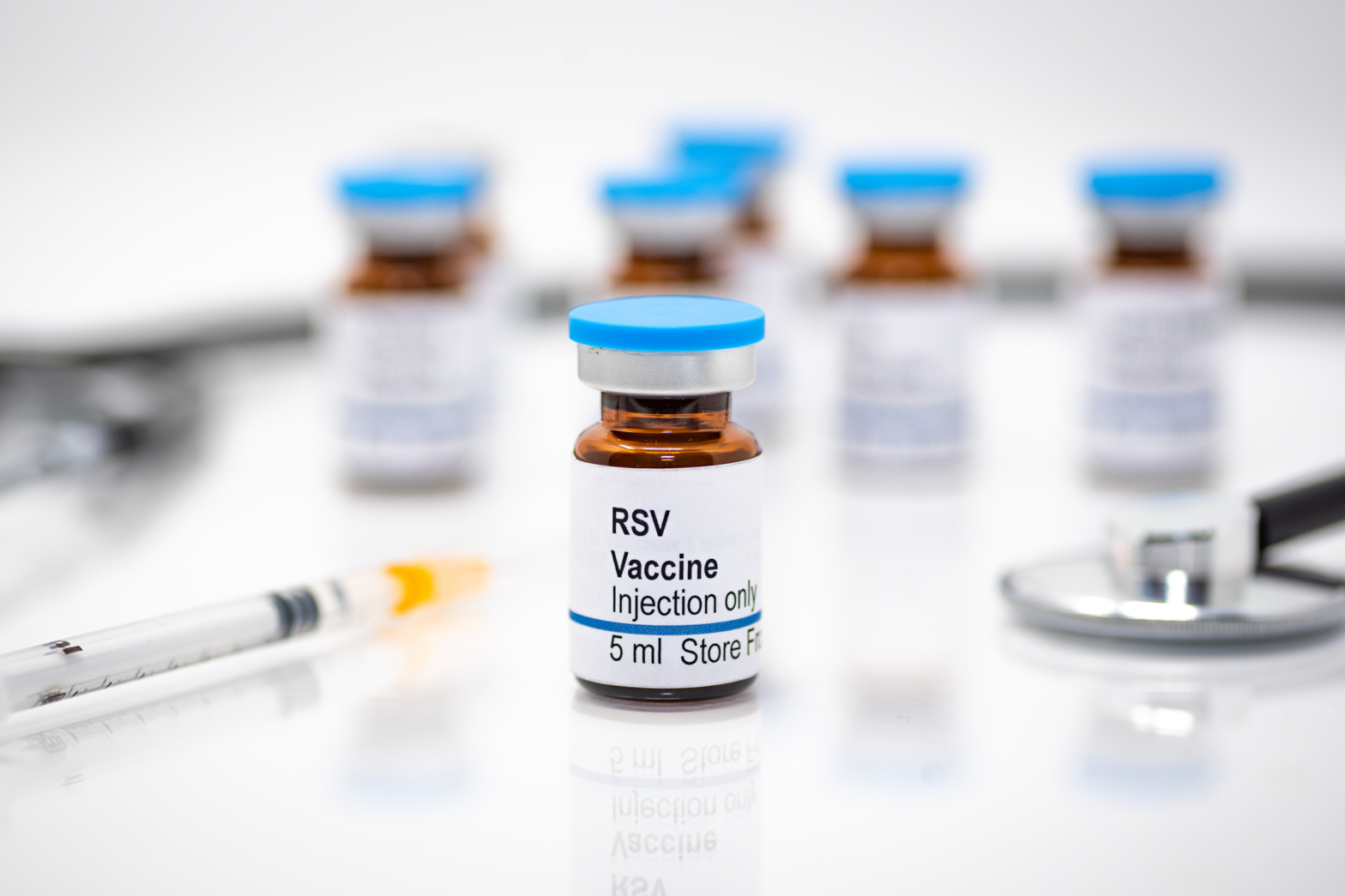
Indications for Nirsevimab Treatment in Pediatric Neurology Nirsevimab is an intravenous immunoglobulin used to prevent severe viral respiratory infections, such as the common cold and flu. Its use can be extended beyond universal immunization of the newborn, replacing the indications for palivizumab in certain neurological conditions. Indications…
GMFCS E&R.

Clinical Guideline on GMFCS E&R The Global Motor Function Classification System (GMFCS) is a system used to classify the severity of motor disability in children with neurological disorders. The Evaluation and Recommendations (E&R) System complements the GMFCS by providing more detailed and practical guidance. Diagnostic Criteria The GMFCS diagnostic criteria are…