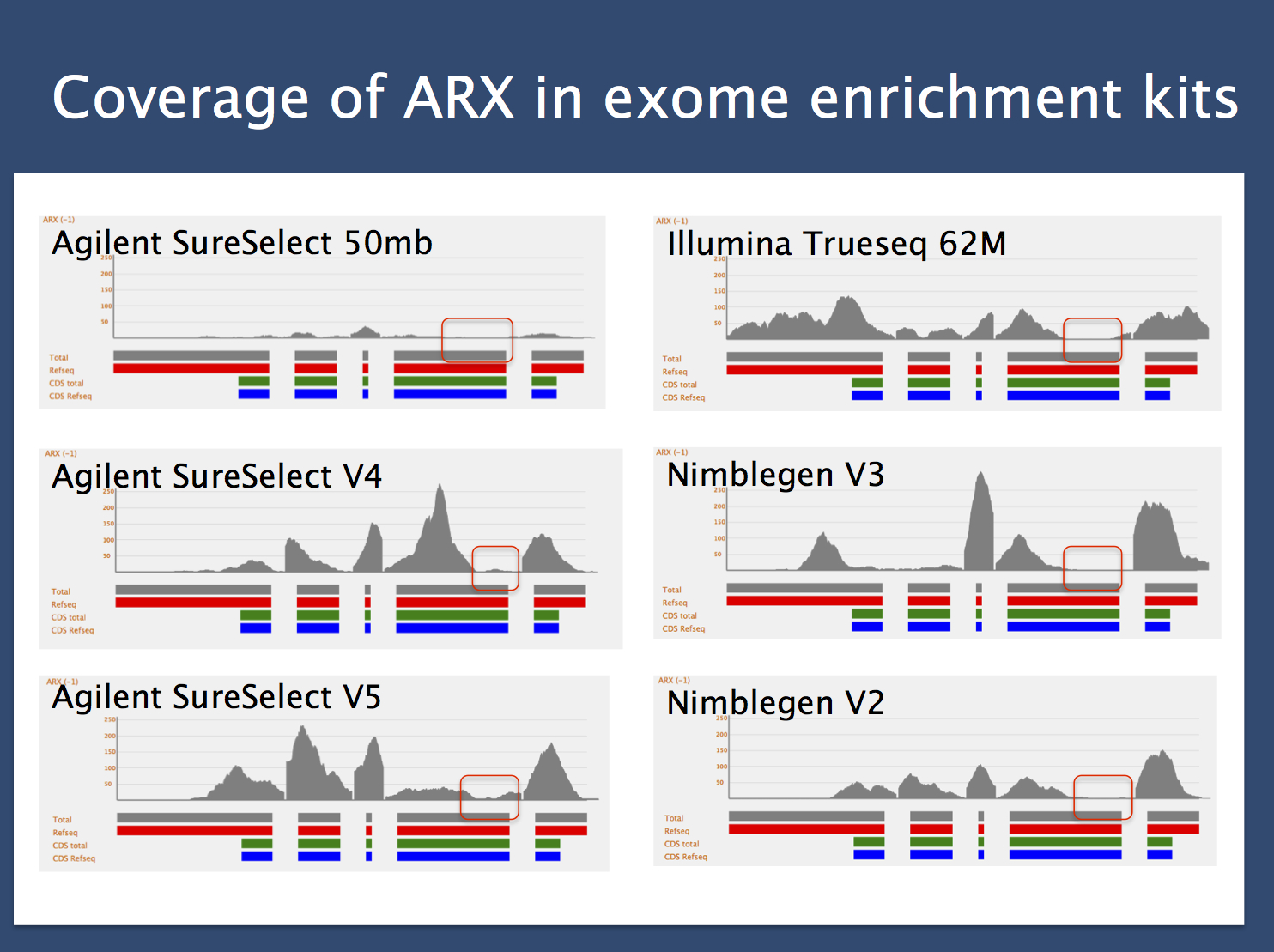
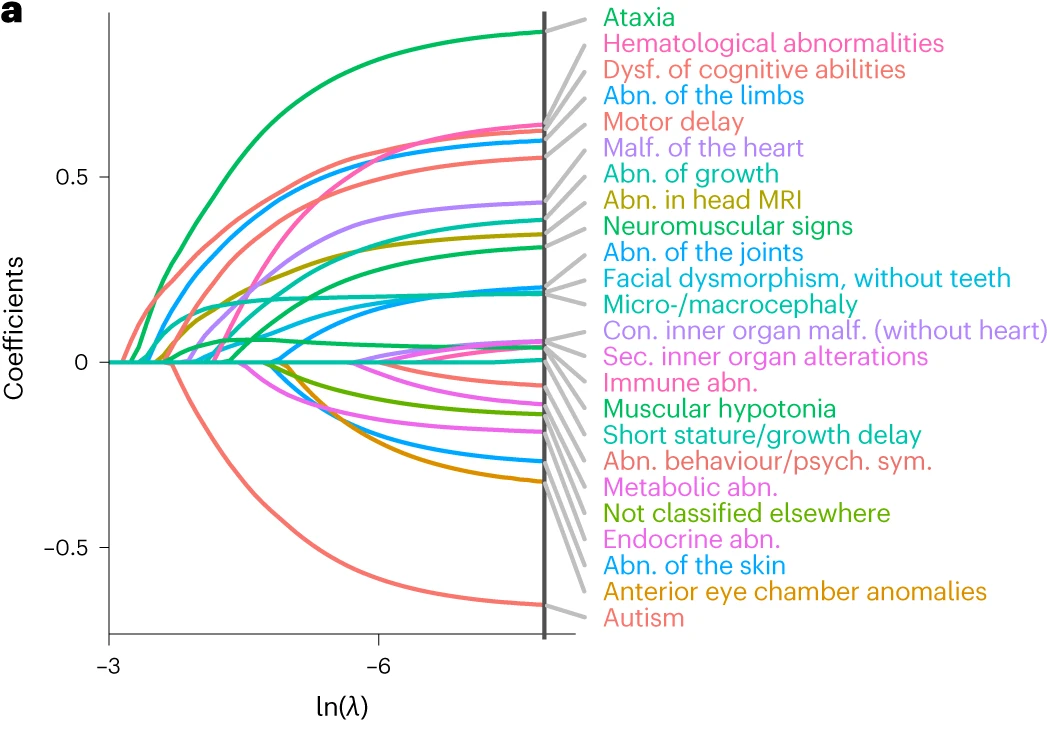
Symptoms that increase the probability of diagnosis in NGS (yield).

Next-generation sequencing (NGS) studies present variable diagnostic yields depending on the clinical characteristics of the patient. Certain symptoms and phenotypic findings have been consistently associated with a higher likelihood of obtaining a definitive genetic diagnosis. These include intellectual disability, multiple congenital malformations, early-onset epilepsy, disorders...

Misinterpretation of wicket spikes.

Among the multiple patterns that we can find in EEG waves, one of the most intriguing is wicked spikes. These peculiar formations are important when it comes to understanding brain functioning, but they can also lead to misinterpretation, particularly when they are confused with juxtaposed epileptiform activity. The wicked spikes, also known as…

CdL facial phenotypes.

Facial Phenotypes in Cornelia de Lange Syndrome (CdLS) Cornelia de Lange syndrome (CdLS) is associated with a characteristic facial dysmorphic pattern that facilitates its clinical diagnosis: Synophridia: Very well-defined eyebrows, arched and united in the midline, along with unusually long eyelashes. Nasal anomalies: Short nose with depressed nasal bridge,…

Congenital muscular dystrophies.

Congenital Muscular Dystrophies (CMD) Congenital muscular dystrophies constitute a genetically heterogeneous group of hereditary myopathies characterized by progressive muscle weakness and dystrophic findings in muscle biopsy present from birth or early childhood. Main Classification Merosin Deficiency (LAMA2-RD): Caused by mutations in the LAMA2 gene. It presents with marked hypotonia and delay…

M-wave, H-wave, F-wave.

Concepts of Nerve Conduction: M Wave, H Wave and F Wave In the study of electromyography (EMG) and nerve conduction velocity, these three waves represent different physiological responses to electrical stimulation: M Wave: It is the direct motor response obtained by stimulation of the motor axon. It represents the direct orthodromic depolarization of the fibers...

Hypoxicoischemic encephalopathy and MRI

Resonancia Magnética (RM) en la Encefalopatía Hipoxicoisquémica (EHI) La resonancia magnética cerebral es el método de elección para valorar la localización, severidad y pronóstico del daño cerebral secundario a un evento de asfixia perinatal. Patrones Principales de Lesión Patrón de Ganglios Basales y Tálamo: Este patrón es típicamente asociado con asfixias agudas y profundas. Afecta …

Panayitopoulos

Panayiotopoulos Syndrome (Benign Occipital Epilepsy of Childhood) Panayiotopoulos syndrome is a common benign idiopathic focal epilepsy of childhood that typically presents between 3 and 6 years of age. Main Characteristics Autonomic crises: The crises consist predominantly of autonomic symptoms such as nausea, emetic vomiting, paleness, mydriasis and incontinence. Duration …